
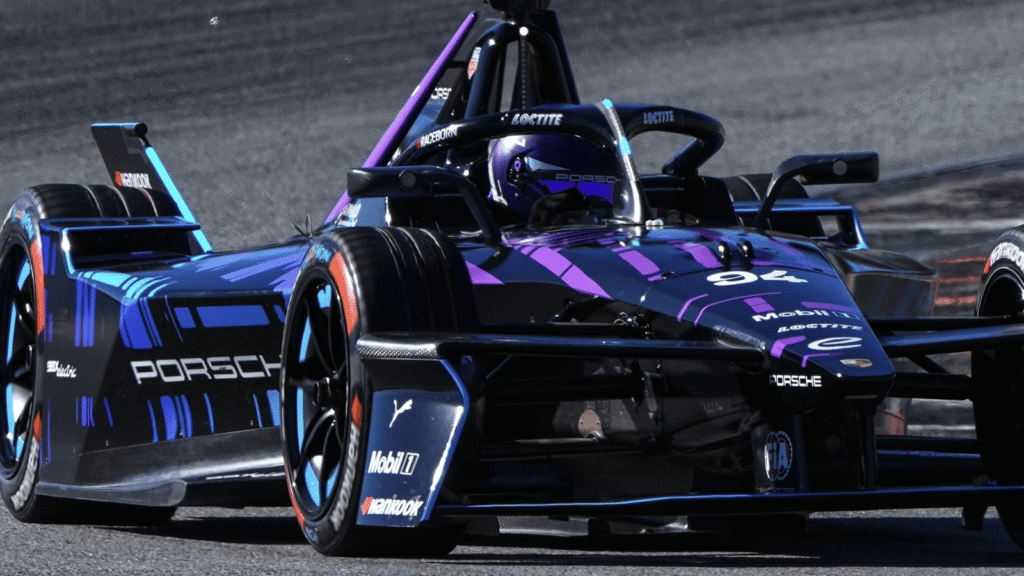
Electrification has become one of the defining themes of the contemporary automotive debate, and as so often happens, motorsport serves as a laboratory, a mirror, and a battleground for this transition. In racing, electric power is not just a technical issue, it’s a cultural, economic, and above all, an identity challenge.
In recent years, we’ve witnessed a rapid yet fragmented evolution. Championships created to promote sustainable innovation, chief among them Formula E, have become established realities, though not without struggles in terms of audience, spectacle, and perception. At the same time, more traditional categories such as endurance and GT racing have begun integrating hybrid components or considering regulations more open to new technologies.
Carmakers move across this chessboard with differing, sometimes divergent, strategies. Some invest heavily in electric series, while others seek a balance between tradition and innovation. When two giants like Porsche and Ferrari take a stance, the debate becomes even more compelling. Their recent decisions tell the story of two visions of electrification, between industrial pragmatism and loyalty to the legend.
Porsche leaves the WEC Hypercar program: more focus on Formula E and IMSA
2025 will mark the end of an important chapter in Porsche’s racing history. At the close of the season, the German manufacturer will officially withdraw its LMDh program from the World Endurance Championship. The 8 Hours of Bahrain will be the final race where the Porsche 963 competes in the top class of endurance racing with factory backing.
A decision that surprises only in part. Rumors of a possible downsizing of official activities had circulated for months, driven by strategic and economic considerations. The global slowdown in electric vehicle sales, combined with trade barriers such as U.S. tariffs, has forced Stuttgart to rethink its resource allocation and concentrate on series that provide a more direct return in terms of development and visibility.
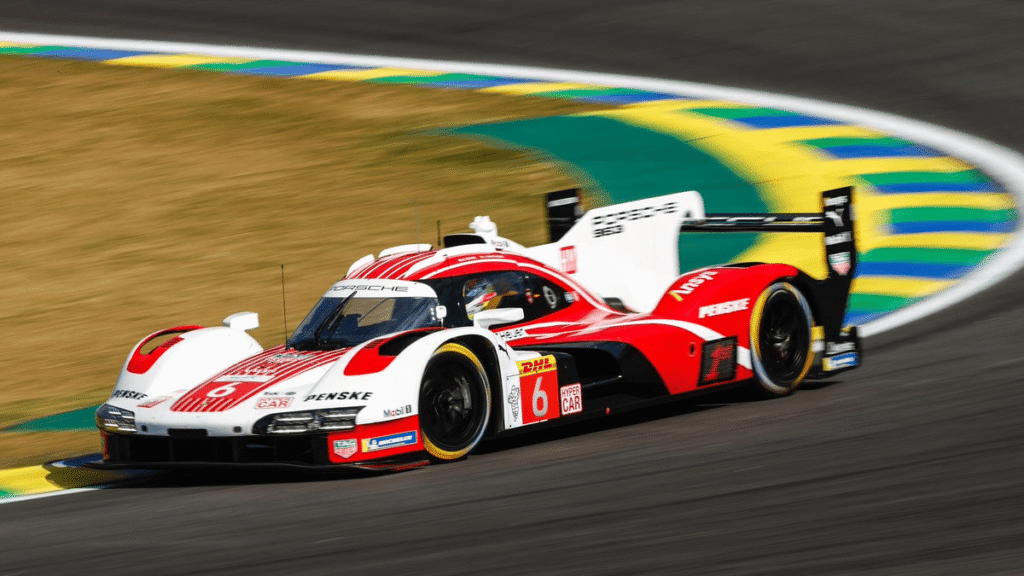
The new course sees Porsche focusing decisively on two specific areas: Formula E, regarded as the ideal laboratory for full-electric technology, and IMSA, the North American endurance series that offers prime exposure in the U.S. market, one of the brand’s strategic strongholds. Alongside these, the customer racing program will remain a key pillar in the next technical cycle, with the new 911 GT3 R Evo expected to debut in 2026.
In short, Porsche is not abandoning endurance racing altogether, it’s redefining its boundaries. The withdrawal from the WEC is more than a tactical move; it signals a broader reflection on the sustainability of racing investments and the evolving role of motorsport in an era where industrial priorities are shifting.
Ferrari Elettrica: the debut between hype and skepticism
While Porsche recalibrates, Ferrari takes a different path. It doesn’t retreat, it integrates. On October 9, 2025, the Maranello-based manufacturer unveiled to the public the first technical details of its first fully electric car. During the presentation, the company revealed the platform, electric motor, and battery for the first time, a tangible step toward a future Ferrari has chosen to embrace.
The market reaction, however, was far from enthusiastic. Just hours after the reveal, Ferrari’s stock fell by more than 15%. Some analysts hastily linked the drop to the arrival of the brand’s first electric model, but the reality is more nuanced.
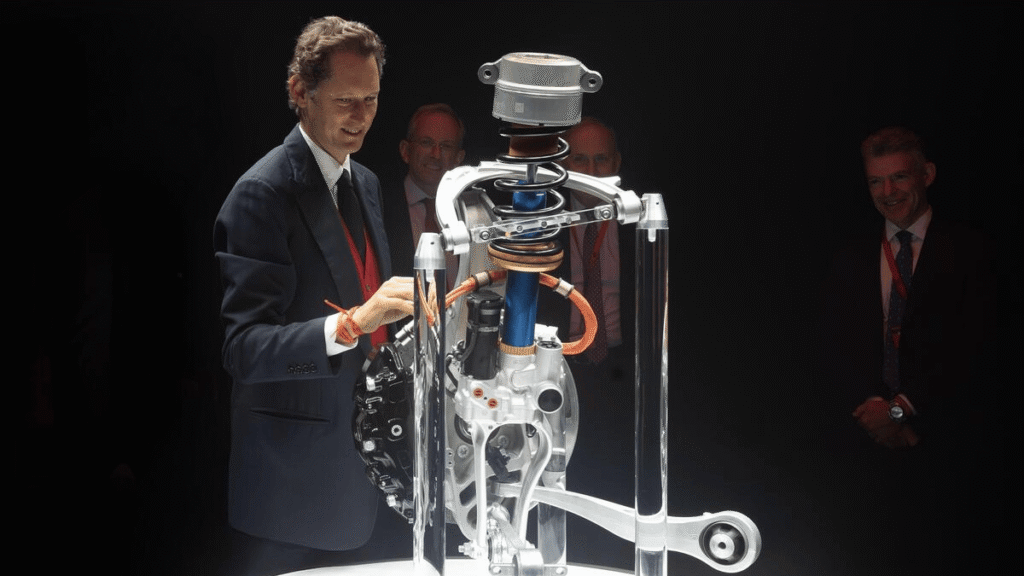
From an industrial standpoint, the Elettrica was hardly a surprise. The project had been known for some time, and investors were well aware of it. The decline in share value was instead tied to expectations: on the same day, Ferrari updated its 2025 financial outlook, slightly raising revenue forecasts but marginally lowering profit projections. In a market climate that’s both sensitive and volatile, that adjustment weighed more heavily than the product announcement itself.
Strategically, Ferrari reaffirmed a clear stance. The Elettrica is not meant to replace combustion models but to complement them, aimed at attracting a new clientele. It represents an extension of the brand’s identity, designed to stay true to its essence even beneath a battery-powered body.
Two strategies, two visions of electrification for Porsche and Ferrari
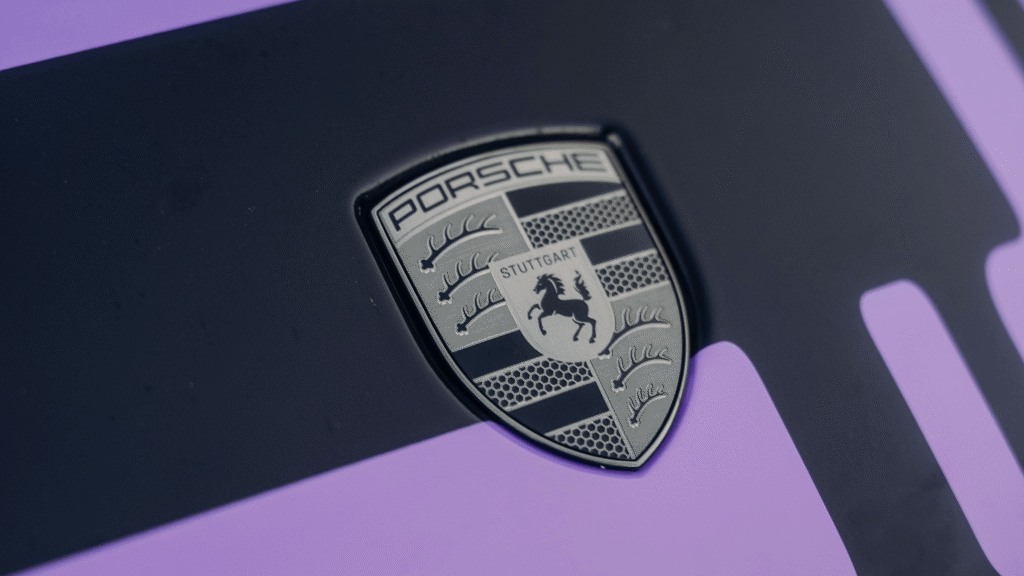
Porsche and Ferrari face the same challenges: an uncertain market, an evolving regulatory landscape, and a divided audience. Yet their responses differ profoundly. Porsche sees electrification as a technical and commercial opportunity to be approached with pragmatism. The WEC withdrawal is not a retreat but a strategic reallocation. Formula E becomes the testing ground for advanced electric solutions, while IMSA ensures continuity in a key market like the United States.
Ferrari, by contrast, takes a more narrative route, perhaps riskier, but more consistent with its identity. It refuses to compromise symbolically and continues its WEC adventure with the 499P Hypercar, keeping its racing operations clearly distinct from its road-going electric venture. The Elettrica, then, is not the symbol of an internal revolution but of a carefully controlled expansion of the range.
The electric transition in motorsport is not yet an inevitable path. More than ever, it represents a field defined by strategic choices, brand visions, and differing readings of the global context. Some manufacturers are accelerating, others are waiting, but none can afford to ignore the shift.
Formula 1, with its goal of achieving carbon neutrality by 2030 and the introduction of synthetic fuels, is searching for a middle ground between sustainability and spectacle. Formula E continues to evolve, cementing its role as a technological laboratory, while the WEC and endurance racing face the challenge of reconciling combustion heritage with the push toward electrification. In this landscape, the decisions of Porsche and Ferrari take on symbolic weight, not merely corporate strategies, but two distinct interpretations of what it means to race in a world that’s changing.