
One theme that will undoubtedly remain central to motorsport is safety. In recent years, the surge in financial resources has gone hand in hand with complex engineering efforts focused on a clear goal: minimizing risk on the track. Of course, it is impossible to reduce the danger component to zero and perhaps, for better or worse, it is precisely this living on the edge that appeals to drivers. The ability to push beyond one’s own limits and those of the machine, defying the laws of physics, remains the beating heart of motorsport.
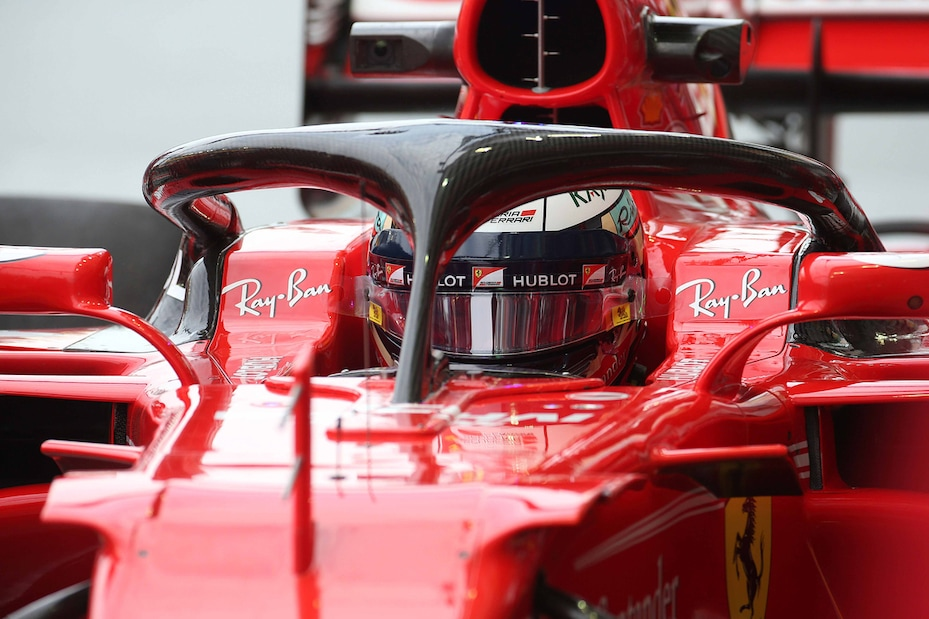
In recent years, the racing world—led by its top tier categories like Formula 1 and MotoGP—has made unprecedented progresses. As a result of that, many lives have been saved in Formula 1 and the junior categories thanks to the introduction of the Halo, and also in MotoGP, thanks to increasingly effective protective gear.
Today’s reality suggests that safety has reached its peak, but many people still underestimate the hidden risks of motorsport. There is a balance that must never be tipped. For example, we can remember a famous quote of Niki Lauda in the movie Rush: “I accept every time I get in my car there is a 20% chance I could die. And I can live with that, but not one percent more.” The message is clear and more relevant than ever. Drivers are professionals of risk, not lambs to the slaughter. They are aware of the danger and they accept it, but without ever crossing that very thin line that separates life from a fleeting thrill.
The Adelaide paradox: tradition vs business
Despite technology being at an all-time high, we have recently witnessed a worrying counter-trend regarding race calendars. A few days ago, MotoGP announced that the Adelaide circuit in Australia will join the schedule starting in 2027. This decision has sent shockwaves through the sport. Not only will the pinnacle of two-wheel racing will lose the Phillip Island track, one of the most iconic and safest in the world, but it’s doing so by introducing a street circuit, which is definitely more dangerous for motorcycles. Its introduction, therefore, raises profound doubts.
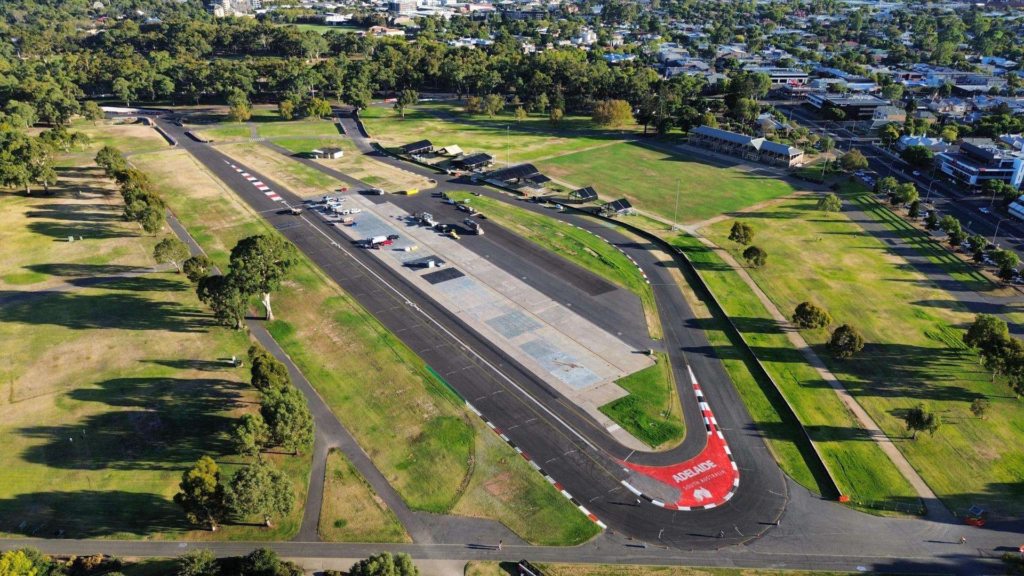
The consequences of that decision
But why it was taken this decision? Carlos Ezpeleta, the sporting director of MotoGP, claims that Adelaide’s entry into the world championship represents a turning point, without in any way compromising safety. “Bringing MotoGP to Adelaide marks a milestone in the evolution of our championship. From the very beginning, together with the FIM (International Motorcycling Federation), we have ensured that no compromises were made on this issue. Every element of the circuit has been designed to meet the highest standards of modern MotoGP, guaranteeing that riders can compete at maximum intensity in total safety.”
This choice has inevitably drawn lots of critics from both fans and industry insiders. For example, Casey Stoner—two-time premier class world champion—has voiced his opposition to replacing a historic circuit with a street track, arguing that such venues have no place in MotoGP. For the australian, the saddest part is not just the loss of Phillip Island’s prestige, but also a decline in safety as economic interests take center stage. This was further highlighted by FIM President Jorge Viegas: “It is a commercial decision, but we can understand it. Under Liberty Media, MotoGP intends to grow.” The path for the coming years may mirror what we have seen in Formula 1, where the “show” is the undisputed king.
The balance between risk and entertainment
As we have already seen in the world of four-wheel racing, the problem is structural. In fact, on street circuits, drivers are exhilarated, yet the walls are closer and the risks are higher. While this situation may be acceptable for single-seaters, it is not for motorcycles. If a rider slides, there is no run-off area: there’s only a wall separating them from a potential tragedy. Consequently, while an F1 car features a “survival cell” designed to absorb the impact against a barrier, a motorcyclist who crashes has no protection between their body and the walls. On a street circuit, the stopping distance is drastically reduced.
So the question is: what’s the right balance to strike? Why is it that, even as cars and bikes become safer, the perception of danger is increasing? What is the correct synergy between safety and economic interests?
Don’t understimate the importance of safety
There are many questions and just as many answers. But one thing is certain: safety is not only about the presence of barriers. It also concerns the mental and physical stress of the drivers. A sharp increase in the number of races—now between 22 and 24 per season—combined with the introduction of sprint races, raises the probability of human error. An error that could cost dearly, both to the drivers themselves and to others on the track.
To clarify, it is clear that motorsport can never be “zero risk”. However, one thing remains certain: the fine red line between the pursuit of entertainment and safety must always tip in favor of the lives of the protagonists. Regardless of the discipline, those young men and women who strap on their helmets do not race only for themselves. They compete to win, of course, but they do it for their teams, their families, and their fans. This is exactly where marketing must stop and defer to safety.
Marketing and commercial expansion are vital engines for the sport, but they must stop at the gates of common sense. Motorsport will always be a dangerous pursuit, but it must never become a gamble played with the lives of its athletes.
Read also: Discovering Israel Sanchez: Physiotherapist and Osteopath in Motorsport