
In an ever-changing global market, companies are constantly seeking innovative ways to stand out. Sponsoring a sport is no longer just a matter of visibility, but a truly strategic choice. Motorsport, in particular, is a unique platform, where technology, passion, and spectacle merge in a context of high media exposure. This industry is a symbol of power, innovation and determination, and entering this world means becoming part of a community. But what truly makes modern motorsport so vital is a slightly less visible yet essential element: sponsorships.
Motorsport is one of the most expensive sports in the world. From the design and development of the cars, to the technical staff, to the logistical costs of race weekends. Every aspect requires significant investment. Sponsorships are the lifeblood that allows teams to participate and compete at the highest level. Even the most established teams, without the support of sponsors, would be unable to sustain the costs necessary to remain on the circuit.
How do sponsorships work in motorsports?
A sponsorship in motorsport can radically change a team’s destiny. Funds received don’t just finance brand exposure, but are also used in crucial areas: from technical development to the hiring of top-level engineers, from aerodynamic research to driver selection. In this industry, the correlation between budget, performance, and results is direct and tangible.
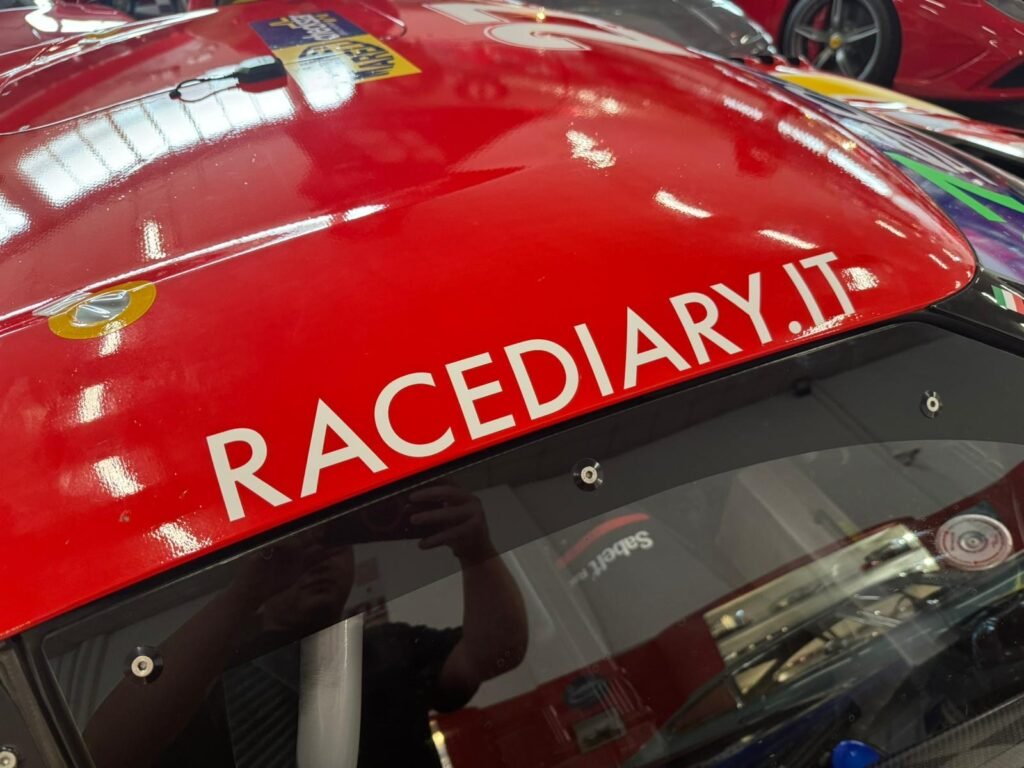
Sponsorships aren’t just a financial exchange; they are true strategic collaborations. Companies that invest in a team or event receive in return not only visibility, but also exclusive marketing, storytelling, and public relations tools. The brand can be present on cars, suits, helmets, hospitality, and pit boxes. But also in digital content, promotional videos, corporate events, merchandise, and special activations featuring drivers as testimonials.
This type of approach allows for immersive communication, which develops on multiple levels: physical, digital, and emotional. Sponsorship thus becomes a means to build a deep relationship with the public, generating engagement and loyalty.
Types of Sponsors
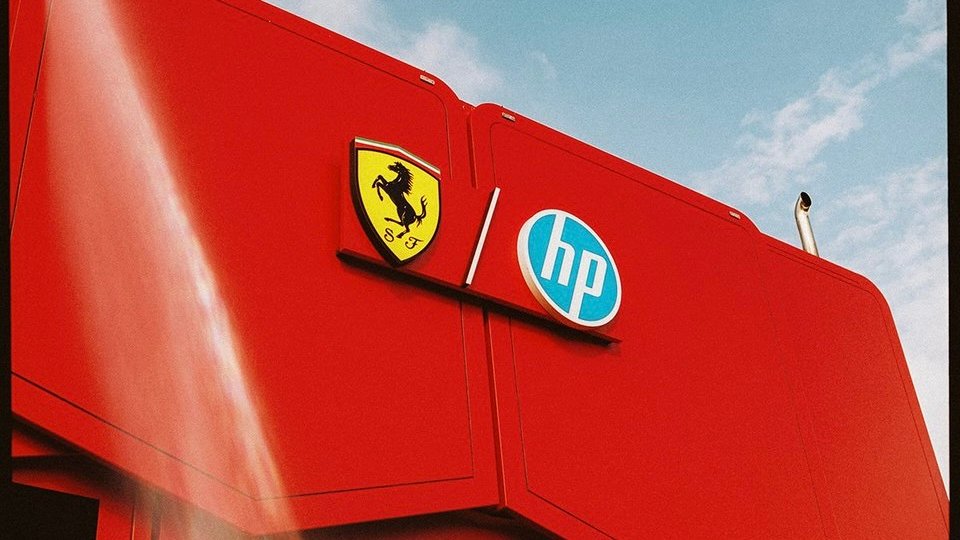
In the motorsport landscape, sponsorships are divided into different categories, each characterized by specific levels of visibility, engagement, and strategic value. The most prestigious role is that of the title sponsor, the company that gives the team its official name. This highly identifiable partnership guarantees the brand maximum exposure across all channels and assets. From the car to communication materials, and even the team name itself, as in the case of Oracle Red Bull Racing.
Alongside the title sponsor, we find the main sponsors and co-sponsors, leading brands that enjoy high visibility on bodywork, driver suits, and official materials. Even though they’re not present in the team name, they play a key role in building the team’s image and financial stability.
Another key category is represented by technical partners, companies that not only sponsor but actively contribute to the team’s performance by providing solutions, technologies, or specialized materials. Every component of the single-seater can be developed thanks to the support of these partners, who also find an opportunity to test and promote their products under extreme conditions.
At a different level there are the official suppliers, which provide essential support services or products for the team’s operational functioning. From logistics to catering, from hospitality management to the setup of the technical areas.
Finally, there are regional or local sponsors, often tied to specific geographic markets. These partners have an important role, especially during the international stages of the championship. Actually, the presence of a locally recognized brand can strengthen the team’s identity within the relevant cultural context.

How does the budget affect a team’s performance and competitivness?
Sponsorship agreements are tailor-made, thinking about not only the guaranteed visibility, through brand placement on cars, suits, helmets, and hospitality areas, but also a range of targeted activities. These include digital and social media campaigns, video content, joint communication initiatives, and exclusive experiences for clients and stakeholders, such as paddock access or meet and-greets with drivers, as well as PR operations and B2B marketing.
In addition, in motorsport the goal is to build brand value and identity through association with powerful emotions, shared values, and authentic storytelling. The audience is international and highly engaged, amplified by television and social media platforms.
The success of a sponsorship also stems from the alignment of values between the brand and the team. Themes such as innovation, sustainability, speed, and performance find in motorsport an ideal platform to be expressed in a credible and impactful way.
In this industry, money can truly make a difference. A team with greater financial resources can invest in advanced infrastructure, simulations, continuous upgrades, and highly specialized personnel. This directly translates into better results on the track.
Moreover, in some cases, sponsors can even influence the team’s strategic decisions: from driver selection, often tied to strategic markets, to the development of innovative or sustainable technologies, and the introduction of new industrial partners.
A clear example is Brawn GP: a team born in 2009 with limited resources, but supported by a main sponsor like Virgin, which managed to win the World Championship against all odds.
The future of sponsorships in motorsport
Today, sponsorships go far beyond the racetrack. Digital content, social media platforms, esports, and virtual simulations are redefining how brands, teams, and audiences interact.
At the same time, the growing focus on sustainability, embodied by championships like Formula E and Formula 1’s commitment to carbon neutrality, is driving companies toward projects that combine performance with environmental responsibility.
This represents a major opportunity for brands that value a “green” image and innovation, and that seek to communicate their commitment to the future in an authentic way.
Why should a company sponsor motorsport?
Sponsoring motorsport doesn’t simply mean placing a logo on a race car. It means becoming part of a culture built on technology, emotion, and passion. It’s a powerful way to communicate core values, generate genuine engagement, and build lasting relationships.
In a world where success is measured in thousandths of a second and every detail can make the difference, sponsors are the invisible fuel that drives innovation and victory. That’s why, now more than ever, entering the world of motorsport is a strategic choice that can set a brand apart and propel it toward new horizons.