
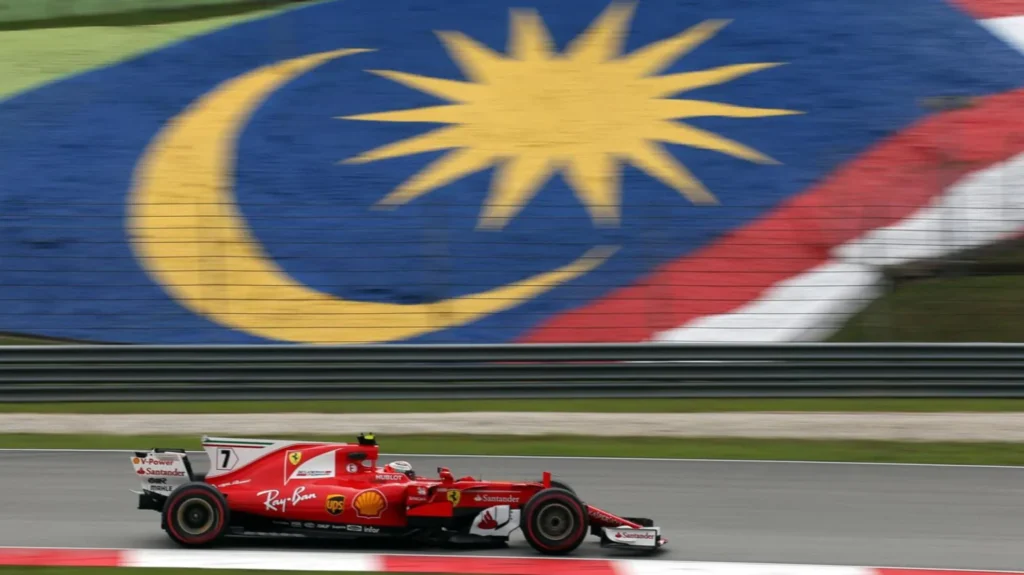
The return of Formula 1 to Sepang, scheduled for 2–4 October 2026, will mark a new chapter for the Malaysian circuit and for motorsport fans around the world. After the last race was held there in 2017, the track will once again welcome the cars of the World Championship, bringing back to the calendar one of the competition’s most recognisable and beloved venues.
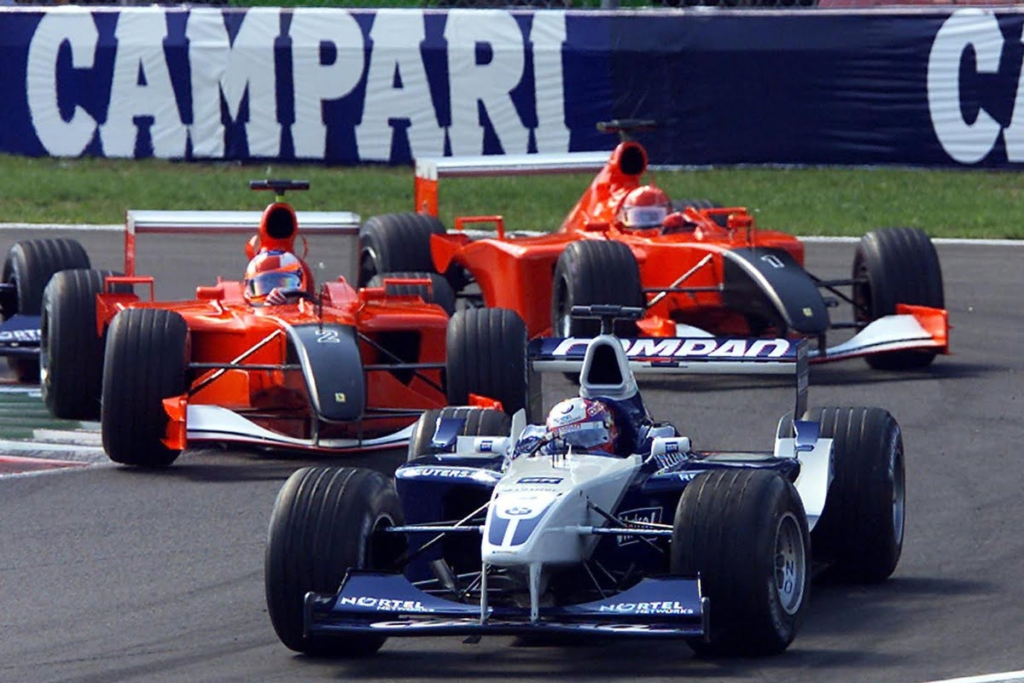
The Sepang International Circuit, however, is much more than just a racetrack. There are countless moments that will remain etched in the minds and hearts of motorsport fans whenever Malaysia comes to mind. The inaugural race in 1999 also coincided with Michael Schumacher’s historic return. The seven-time world champion, after the crash in England that had kept him away from his Ferrari for months, returned to the track in Malaysia at the wheel of his car, dominating the race for a long time before handing victory to his teammate Eddie Irvine, who was battling McLaren’s Hakkinen.
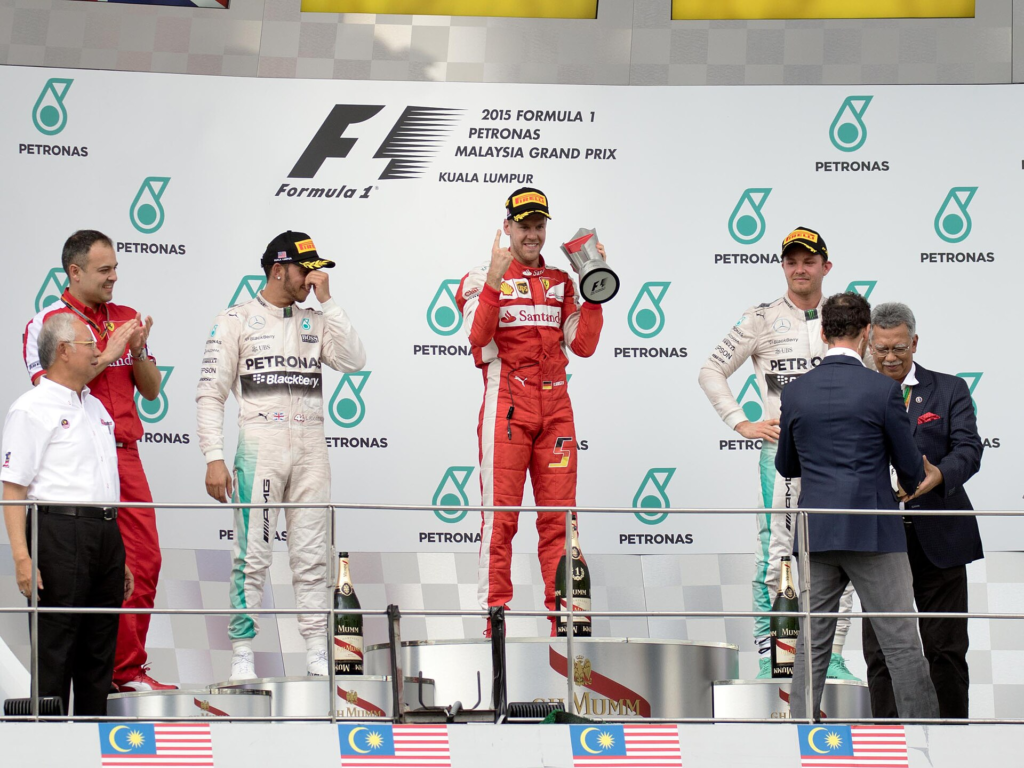
Malaysia was also a happy hunting ground for Kimi Raikkonen, who claimed the first victory of his career there in 2003, and for Fernando Alonso, who produced an emotional victory in 2012 in constantly changing weather conditions. The story continued with Sebastian Vettel’s first of fourteen victories in red in 2015.
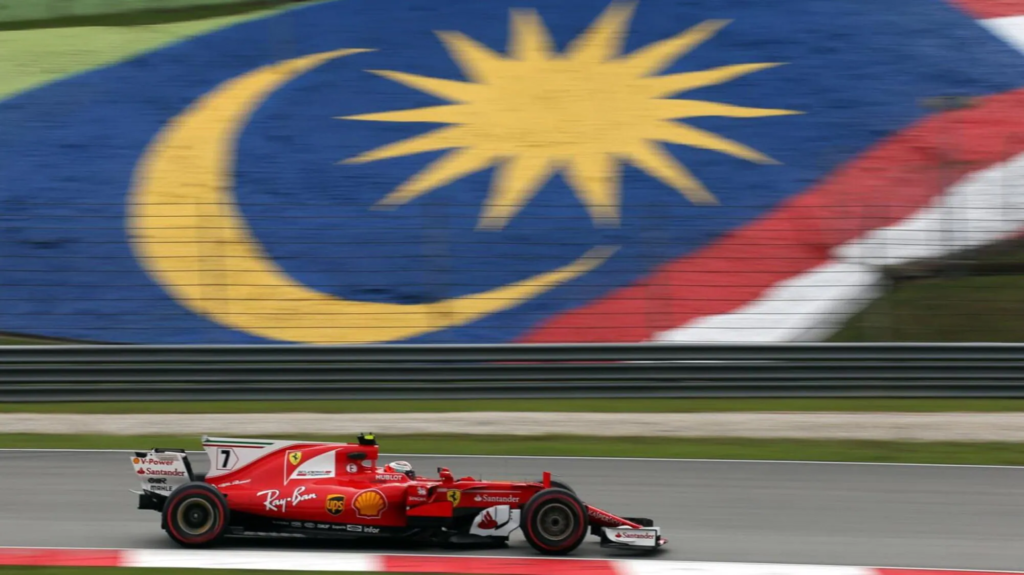
Malaysia: a history that goes back a long way
Its history begins in the second half of the 1990s, when Malaysia decided to build a facility capable of hosting major international competitions. The project was entrusted to German architect Hermann Tilke, who would go on to become one of the leading circuit designers in Formula 1.
Construction began in 1996 and progressed rapidly. The circuit was completed in around 14 months and officially opened in 1999, immediately becoming one of the most modern facilities on the Formula 1 calendar.
An area of approximately 260 hectares, previously occupied by an oil palm plantation, was used for the project. Building the circuit required a massive transformation of the land: more than 9 million cubic metres of earth were moved, while more than 5,000 palm trees were planted in the surrounding area.
The goal was therefore not simply to build a racetrack, but to create a true motorsport hub, capable of strengthening the connection with fans.
A layout designed for excitement and overtaking
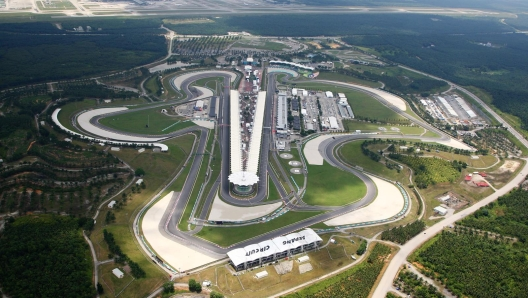
The result is a 5.543-kilometre circuit featuring 15 corners and two main long straights, connected by Turn 15, a tight hairpin. One of the track’s distinctive features is the considerable width of the asphalt, which exceeds 20 metres in some sections.
These characteristics allow the cars to tackle the track at very high speeds and, above all, provide several opportunities for overtaking. The long straights allow the cars to reach speeds of more than 320 km/h, while the subsequent braking zones represent some of the most important points for attempting an overtaking move.
This track was specifically designed to combine high speeds, demanding braking zones and technical corners. The result is a track that tests both the performance of the car and the drivers’ ability to manage their tyres and race pace, while also providing a significant physical challenge.
A Facility Built for Motorsport
One of the most distinctive aspects of the circuit is its structure: it was designed as a permanent facility, equipped with garages, a paddock, grandstands, and infrastructure intended to host high-level motorsport events.
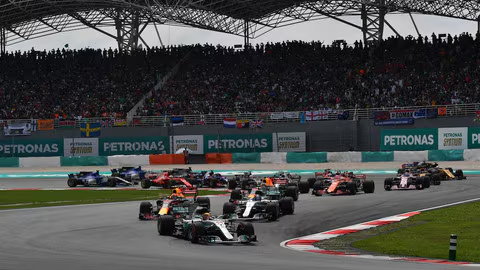
The overall capacity reaches approximately 130,000 spectators, while the main grandstand can accommodate around 30,000 people. The architecture of the facility was also designed to reflect the local environment and culture. Some of the grandstands, in fact, feature shapes inspired by palm leaves, a particularly characteristic element of the surrounding landscape.
Sepang is therefore not an isolated structure, but rather a circuit in which the Malaysian environment has been integrated into the overall design.
© Autosprint
Heat and thunderstorms: the climate factor
There is also an element that makes the circuit even more unique: the climate.
High temperatures and, above all, humidity put drivers under considerable strain during races. On top of that, there is the risk of violent tropical thunderstorms, which can arrive quickly and completely change track conditions. The most striking example came in 2009.
Rain can transform a race within minutes, forcing teams to make quick decisions regarding tyre selection and strategy. This is also why, throughout its history, the Malaysian Grand Prix has often produced unpredictable and thrilling races.
The climate is therefore an integral part of the challenge at Sepang, just as much as the circuit’s layout.
A story that began in 1999
Formula 1 first arrived at Sepang in 1999, bringing Malaysia into the group of new destinations on the World Championship calendar.
The circuit remained on the calendar for almost two decades, gradually becoming one of the most recognisable races of the season. The last Formula 1 race held in Malaysia took place in 2017, when Max Verstappen claimed his second Formula 1 victory. After that season, the country left the calendar, while Sepang continued to host other motorsport competitions, maintaining its place within the world of racing.
Now, almost nine years after its last appearance, Sepang is preparing to reopen its doors to Formula 1.
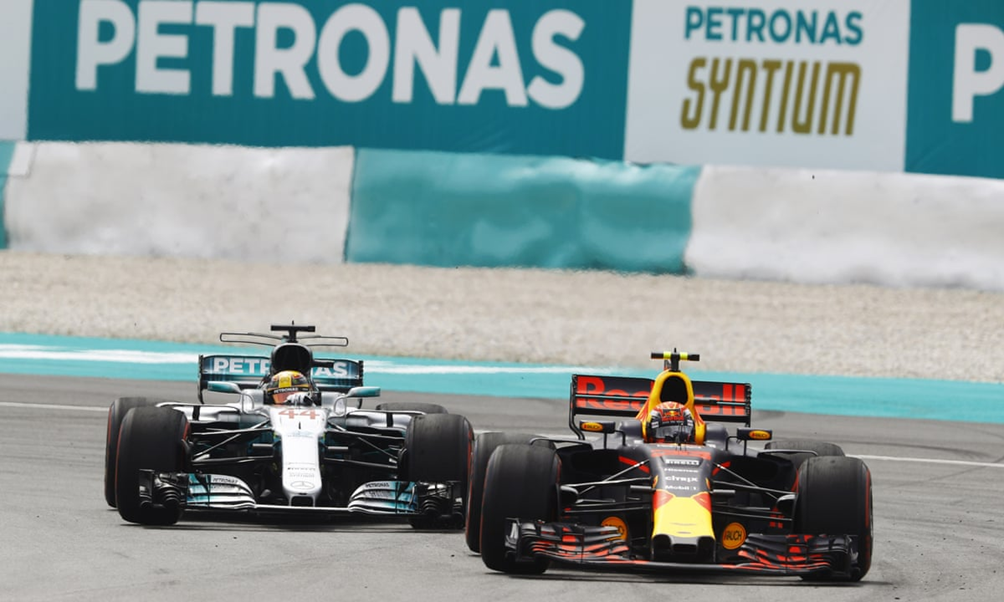
From 2 to 4 October 2026, the circuit will once again take centre stage in the World Championship. The return represents an important moment not only for Malaysia, but also for a track that has maintained its identity despite its absence from the calendar.
Its long history, particularly fast layout, wide run-off areas, modern facilities and, above all, tropical climate make Sepang a circuit that is difficult to replicate.
Formula 1 will therefore return to a track born in the late 1990s with the ambition of representing the future of motorsport. A facility built virtually from scratch, shaped around the Malaysian landscape and designed to bring together speed, spectacle and unpredictability.
Now, after years away, Sepang is ready to return to the spotlight of the World Championship.
Read also: Minì, the ride of a talent: from sicilian tracks to the Formula 2 dream