
“Focus. Speed. I am speed.” Just a few words are enough to take us back twenty years, as if time had stood still, bringing back the thrills and emotions that accompanied us as we grew up. A voice, a red body, the number 95 on the sides and the almost irritating confidence of someone convinced he could take on the world without needing anyone else.
It was Lightning McQueen. And for so many of us who grew up in the 2000s, before he was even the protagonist of a movie, Lightning was already a hero.
Twenty years later, Cars is back in Italian cinemas to celebrate its 20th anniversary. John Lasseter’s film, originally released in 2006, returned to theaters on September 17, 2026. An anniversary that inevitably brings with it a healthy dose of nostalgia, but above all shows just how deep a mark the first chapter of the franchise has left. Because Cars is now a historic film: for Pixar, of course, but perhaps even more so for the generation that grew up with it. Millions of children got to know Lightning McQueen, Mater, Doc Hudson and Sally before they even really understood what motor racing was.
From Cars to the track: a passion born on the screen
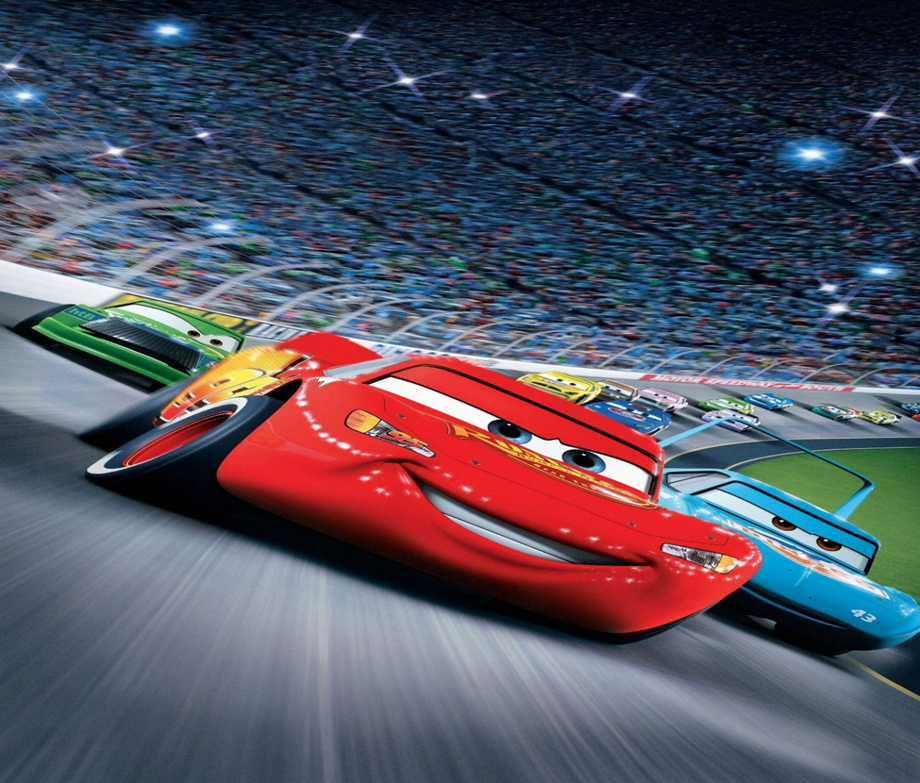
For many of us, our first encounter with the world of motorsport did not come from watching a Formula 1 car fly across a television screen or following a NASCAR race. It came through an animated car shouting “Ka-chow” with one goal in mind: winning the Piston Cup, the coveted prize that would open the door to Dinoco. Those opening scenes, dominated by speed, noise and competition, seemed to be everything. And for some of us, they helped turn us into the motorsport fans we are today.
That is perhaps the most fascinating part of Cars’ legacy. Twenty years later, it is difficult to know exactly how many people discovered their passion for cars while sitting in front of that screen. What we do know, however, is that someone made it all the way to Formula 1.
Lightning McQueen is also the hero of our idols
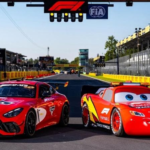
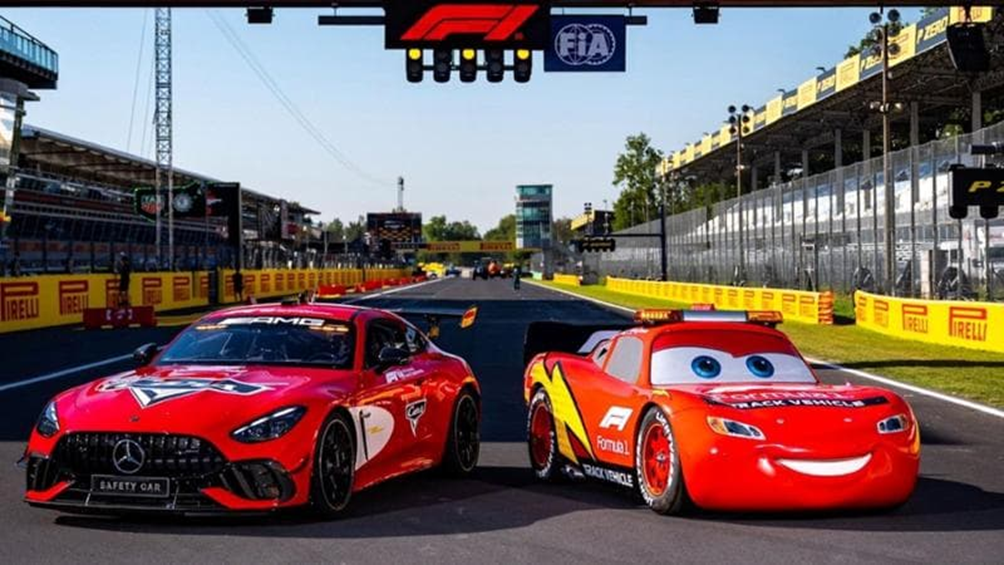
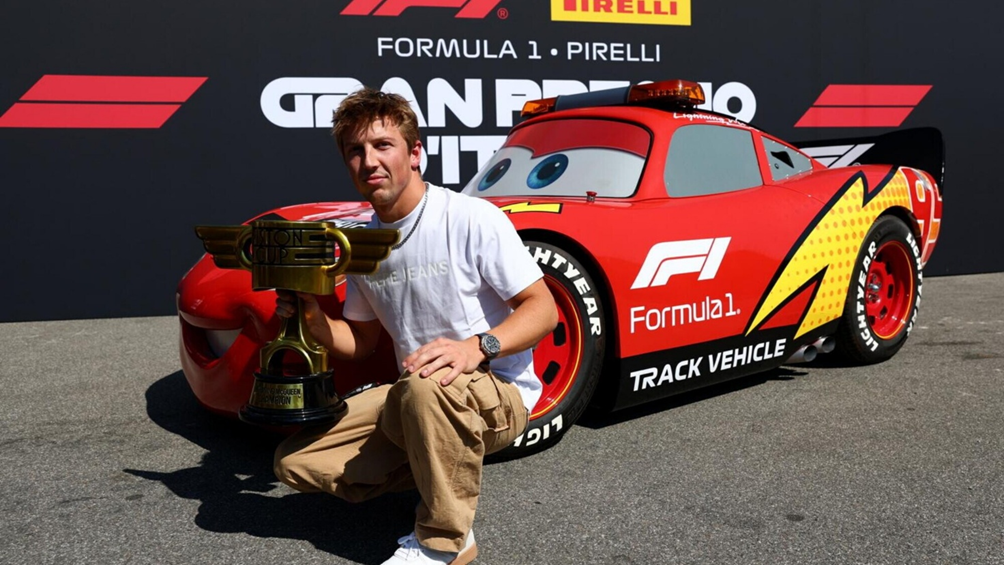
Liam Lawson has never hidden his connection with Lightning McQueen. In 2023, standing in front of a replica of the Cars protagonist, the New Zealander explained that Lightning was the character who had made him fall in love with racing, calling him his hero. Twenty years after the film’s release, Lawson and Lightning were reunited at Monza during the Italian Grand Prix as part of the anniversary celebrations, and perhaps there could be no better example of the film’s extraordinary reach.
What Cars has left
Because behind the jokes, the merchandise and the characters that became part of popular culture, Cars managed to do something far less obvious. It made the world of cars fascinating without limiting itself to the cars themselves.
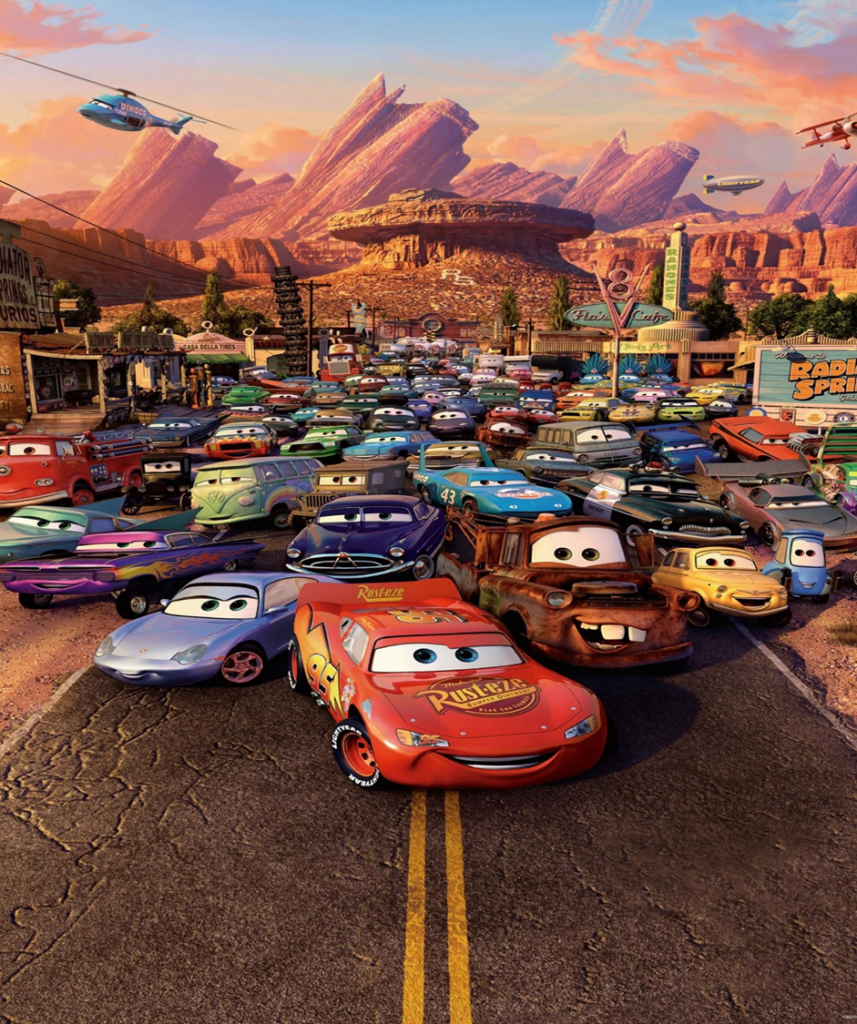
From the Piston Cup and his rivals to overtakes, his dream of Dinoco and the flashes of photographers’ cameras, Lightning McQueen wants to be the fastest because he believes that being the fastest automatically means being the best. Then the race comes to a halt. Radiator Springs arrives, and Cars changes along with its protagonist. Speed makes way for the journey, success for relationships, the finish line for everything that exists before reaching it. Along the old Route 66, Lightning gradually discovers that you can lose a race even when you cross the line first and, conversely, that you can win something far more important without ever lifting a trophy.
Cars, twenty years later: when the film changes together with us
That is probably why watching Cars again twenty years after its release feels so different. As children, we mainly watched the races. As we grow older, however, we inevitably begin to understand Doc Hudson a little more, along with the story of a town erased from the map by the construction of an interstate highway, and a road that once meant tourism and life only to be forgotten in a remarkably short space of time. The child wants to see Lightning win the Piston Cup. The adult understands why Doc still keeps those old newspaper clippings in his garage.
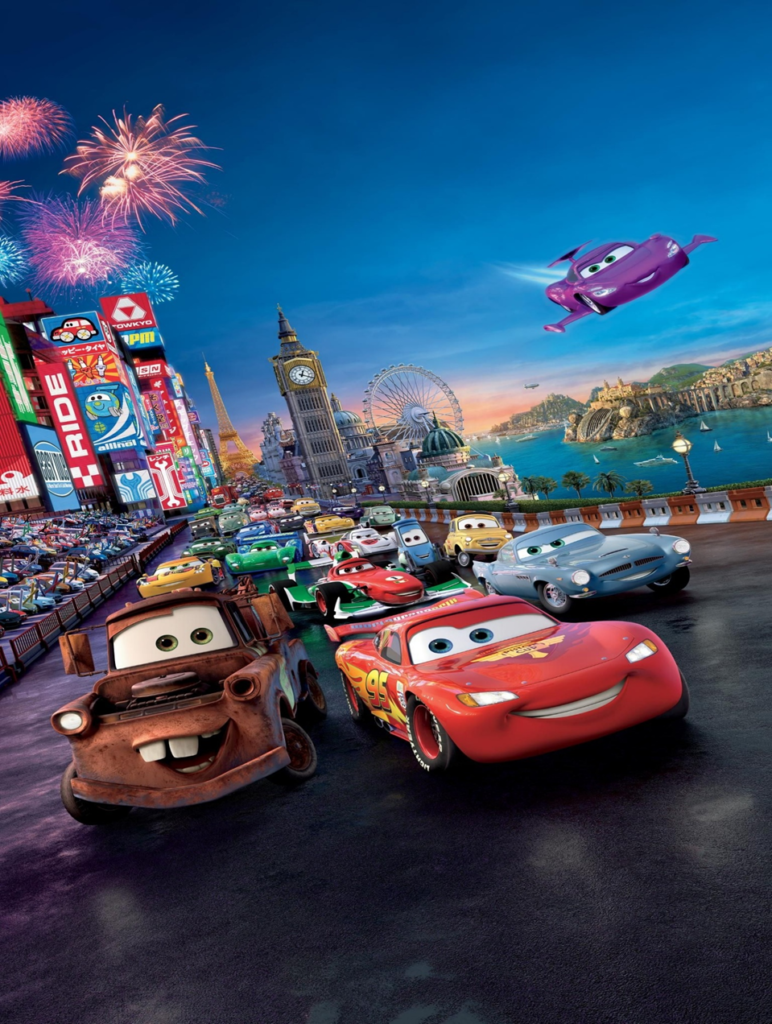
And that is where a film built around talking cars proves to have aged better than anyone might have imagined back in 2006. After all, the connection between Cars and real-world motorsport has never completely disappeared. For the 20th anniversary, celebrations included the Daytona 500, the Goodwood Festival of Speed, Route 66 and, of course, Monza, where Lightning McQueen completed a lap of honor during the Italian Grand Prix weekend.
Saetta McQueen, the first driver of a generation
A character born inside a computer thus found himself, twenty years later, in one of the symbolic homes of real-world motorsport. What could simply have been dismissed as a marketing strategy became an opportunity to bring back emotions, feelings and unforgettable memories.
For those who grew up with the film, Lightning McQueen belongs in the same archive as their earliest memories of cars and racing. Worn-out toy models, video games, races recreated around the house, the number 95 becoming instantly recognizable. Then some continued following motorsport, some discovered Formula 1, while others may have left that passion behind. And some, like Lawson, actually went on to become racing drivers themselves.
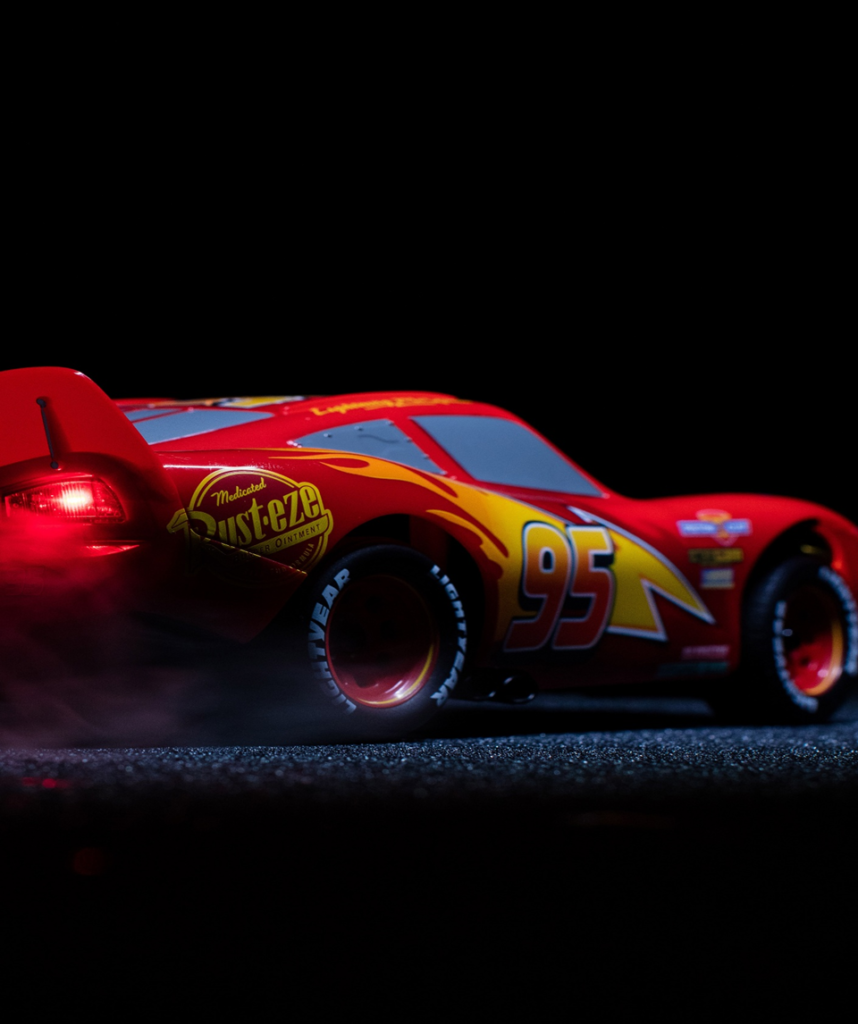
Twenty years later, the return of Cars to cinemas does not simply celebrate a film released in 2006. It brings one of an entire generation’s earliest memories of motorsport back to the big screen.
Because before discovering Michael Schumacher, Lewis Hamilton or the great legends of motor racing, for some of us the first driver we ever cheered for had four wheels, the number 95 and just one obsession: to be pure speed.
Read also: F1, Sepang reopens its doors: the history, triumphs and secrets of the Malaysian circuit