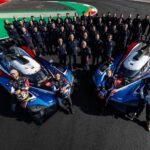
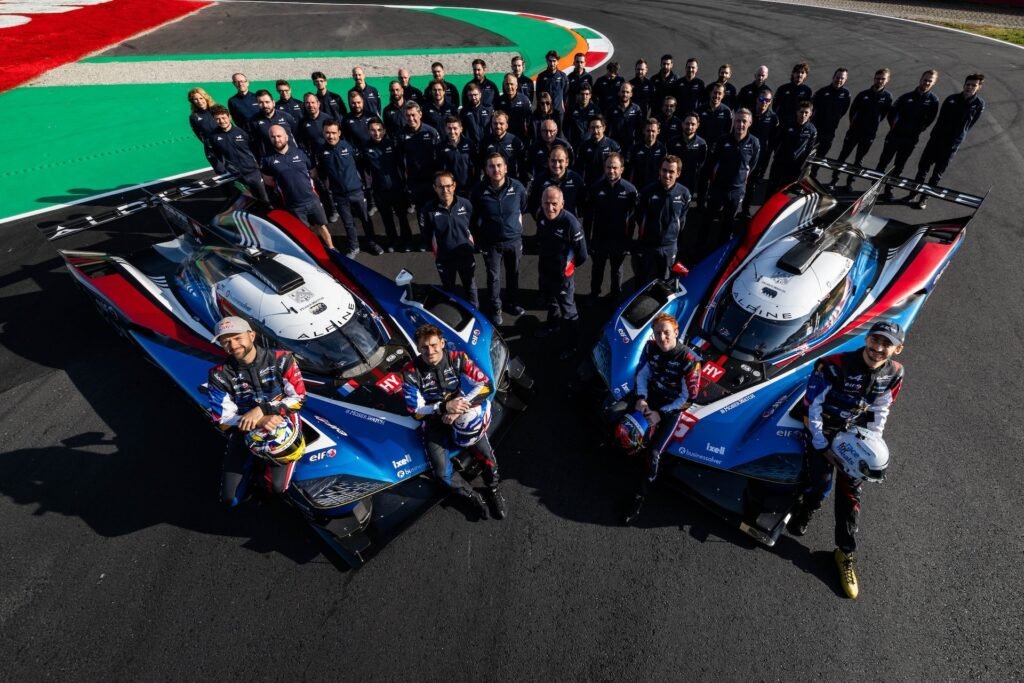
The echo of the final fire-up of the Alpine A424’s V6 turbo still resonates along the avenues of the Autodromo Nazionale Monza. However, that roar carries the bittersweet taste of a final goodbye. At the Temple of Speed, the stage of historic motorsport battles, the French manufacturer officially bid farewell to the WEC. It was a deeply meaningful finale, marked by an intimate and poignant ritual. Before the final track outing, mechanics, technicians, and engineers gathered around the two prototypes. Their goal? To sign the chassis from front to back. It was a simple yet powerful gesture. In doing so, they etched the team’s dedication onto bodywork destined to stop racing far too soon.
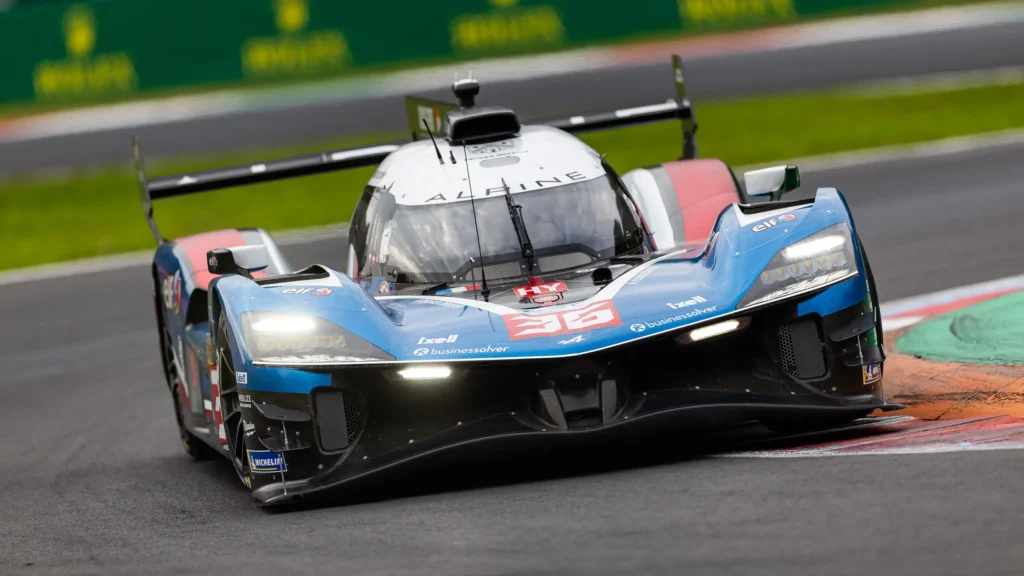
On the Brianza circuit, the track delivered a verdict combining a show of strength with deep regret. The #35 car ended the weekend with the bitterness of an early retirement due to a technical issue. Conversely, the sister #36 car, entrusted to Jules Gounon and Victor Martins, put on a masterclass. With a gritty, clean, and tactically flawless drive, the two drivers brought the A424 onto the second step of the podium. That result gave the entire garage one last big embrace at Monza. This finish provides an unfiltered snapshot of the competitiveness achieved by the Bourges outfit. All of this happened right as the parent company decreed the end of the game.
The Provost Pivot: From Strategic Vision to Program Cuts
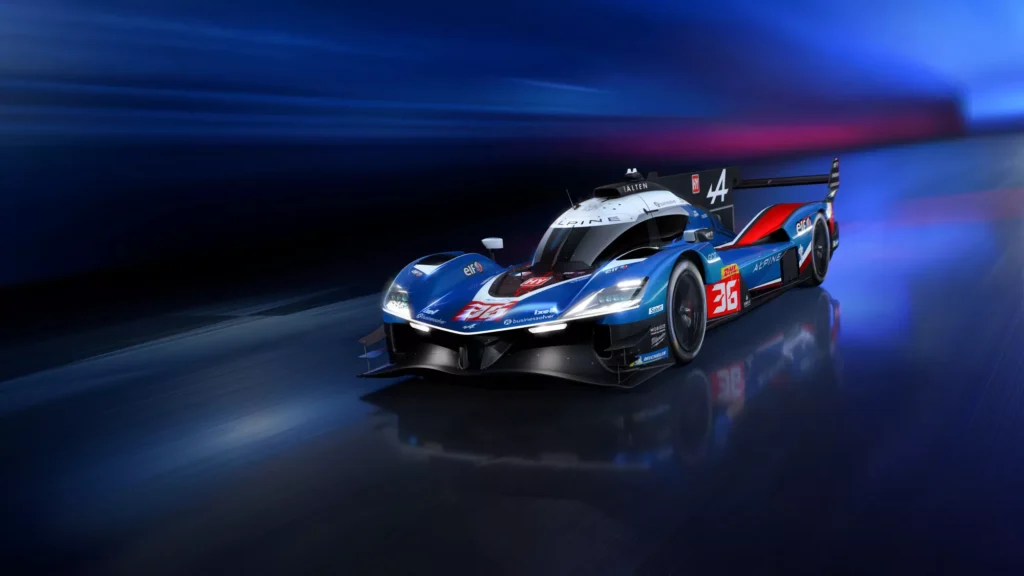
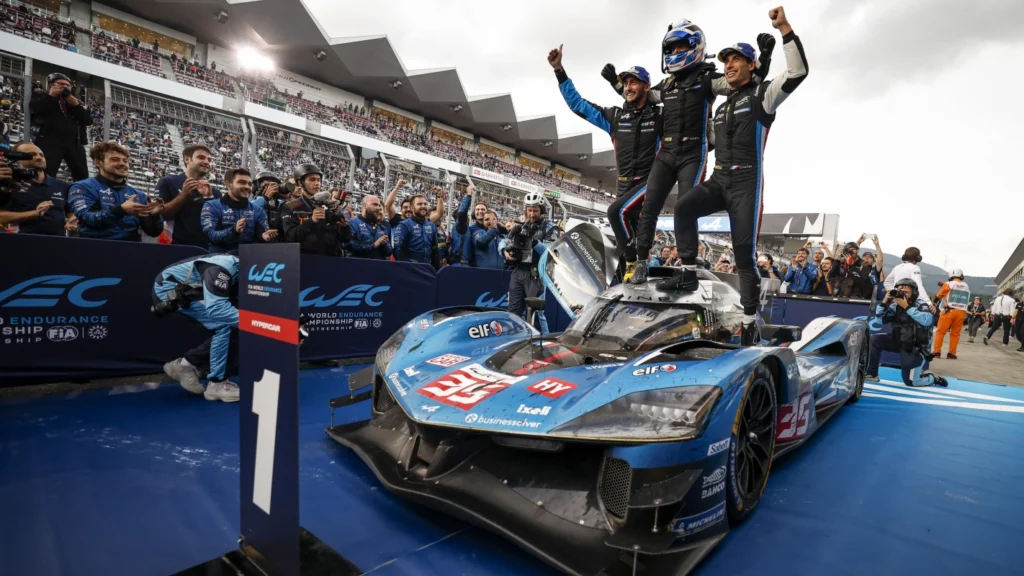
The cancellation of the LMDh Hypercar program, announced in February, bears the signature of Renault Group’s new CEO, François Provost. The move marks a sharp break from the course charted in previous years by Luca De Meo. Under De Meo’s presidency, Alpine had built a very cohesive technical and brand-identity roadmap. The goal was to return the marque to the elite tier of global motorsport. Everything started alongside historic partner Signatech in the LMP2 and LMP1 categories. The project then culminated with the development and debut of the LMDh prototype on an Oreca chassis. It was a path of steady growth, defined by aerodynamic refinement and power unit management. The peak arrived with the historic Hypercar class victory at the 6 Hours of Fuji in 2025.
That triumph cemented Alpine’s entry among the giants of modern endurance racing. It also proved their ability to beat manufacturers with massive budgets. Provost decided to scrap the program to reallocate corporate capital in an increasingly complex automotive market. Slowing sales and a weak response in the electric sector forced a major spending review. For Renault’s new leadership, the top priority is now renewing the production lineup and supporting new models. In this scenario, Formula 1 remains the sole global platform to promote the Alpine brand worldwide. Despite the milestones achieved and international prestige, endurance racing was deemed a duplication of costs. It was an expense no longer sustainable in medium-term financial plans.
The Social and Industrial Cost: The Open Wound of Viry-Châtillon
The consequences of this decision go well beyond the sporting realm. In fact, the cut directly strikes France’s industrial and social fabric. The downsizing of the racing division hits the historic Viry-Châtillon facility right at its core. This plant has always served as the group’s engineering and technological hub. Even before the official announcement, Mayor Jean-Marie Vilain had voiced strong concern over the local fallout. He denounced the risks to jobs and the drop in employment commitments made in the past. For workers at the French site, the end of the Hypercar project is a second hammer blow. It comes shortly after the painful closure of the Formula 1 engine division. The technicians who developed the V6 engine and hybrid systems now face a climate of deep uncertainty. It remains to be seen what the future holds for their expertise amid the corporate restructuring.
Season Review: The Numbers Behind a Cut-Short Legacy
The most glaring paradox of Alpine’s exit lies in the numbers and on-track performances. Fifth place overall in the WEC Manufacturers’ World Championship tells the story of a now-mature prototype. Throughout the season, the A424 showed a consistency and technical solidity worthy of a very different ending. The two cars’ journey highlighted the quality of the chassis and electronics progress right from the opening European rounds. At Imola, the #35 car secured an impressive fourth-place overall finish. That result came from a flawless strategy and optimal tire management on the Emilia-Romagna track.
This reliability was later confirmed at the legendary 24 Hours of Le Mans. In the toughest marathon of the year, the #35 crossed the finish line in sixth place overall. In the second half of the championship, the French package’s competitiveness rose another notch. At COTA in Austin, the team delivered one of its strongest collective performances of the year. The #35 car claimed the third step of the podium, while the #36 finished fifth. Things went even better on the Japanese circuit of Fuji, scene of their historic 2025 triumph. Here, Alpine brought the #36 home in second place and the #35 in fourth, hauling in heavy points. At Interlagos, in Brazil, tricky weather and track conditions forced the cars into eighth and tenth place. Finally, the season finale at Monza crowned the #36 in second place. It was a moving farewell podium in front of the Italian crowd.
Signatech’s Race Against Time for 2027
Despite Renault’s irrevocable decision to remove its badge from endurance racing’s premier class, hope has not been entirely extinguished inside the Signatech garage. Team Principal Philippe Sinault is working tirelessly to find an emergency solution that would save the operational structure, protect the jobs of mechanics and engineers, and ensure the team’s competitive continuity in the FIA WEC for the 2027 season. Sinault’s guiding idea is to field a rebadged version of the A424, taking over the management of the LMDh program in partnership with a new private investor or an automotive manufacturer interested in acquiring an already extensively developed, race-winning technical platform. However, these rescue plans suffered a sudden setback following the collapse of major negotiations held over recent months.
Since the summer break, Renault had been in very advanced talks with Chinese automotive giant Geely Group Motorsport. Leadership on both sides had expected to finalize the details of the agreement and sign contracts immediately after the Fuji race in September. Suddenly, during the first week of October, discussions between the two parties broke down over strategic and financial disagreements, leaving Signatech without its strongest industrial suitor. Sinault has confirmed that he has reopened talks with other industry players and marques to evaluate a last-minute takeover, though the primary obstacle remains bureaucratic: the deadline to submit official entries for the 2027 FIA WEC is set for the end of November. Only a few weeks remain to hammer out a complex deal requiring massive financial guarantees,homologation approvals, and the renegotiation of supply contracts.
The Risk of a 2028 Delay and Talent Drain
Should Signatech fail to formalize an agreement with a new partner before the November cutoff, the only remaining option would be to sit out the 2027 season and push any comeback plans back to 2028. A forced sabbatical year, however,risks proving fatal to the future of the Bourges operation. Staying in the garage for an entire season carries the very real danger of dismantling human capital built over years of sacrifice. In a hyper-competitive environment like modern endurance racing, retaining top-tier drivers such as Jules Gounon and Victor Martins—alongside race engineers, telemetry specialists, and skilled mechanics—without an active racing program appears virtually impossible. Top talent would inevitably be snapped up by rival manufacturers competing in the WEC and IMSA, leaving the squad depleted ahead of any hypothetical future relaunch.