
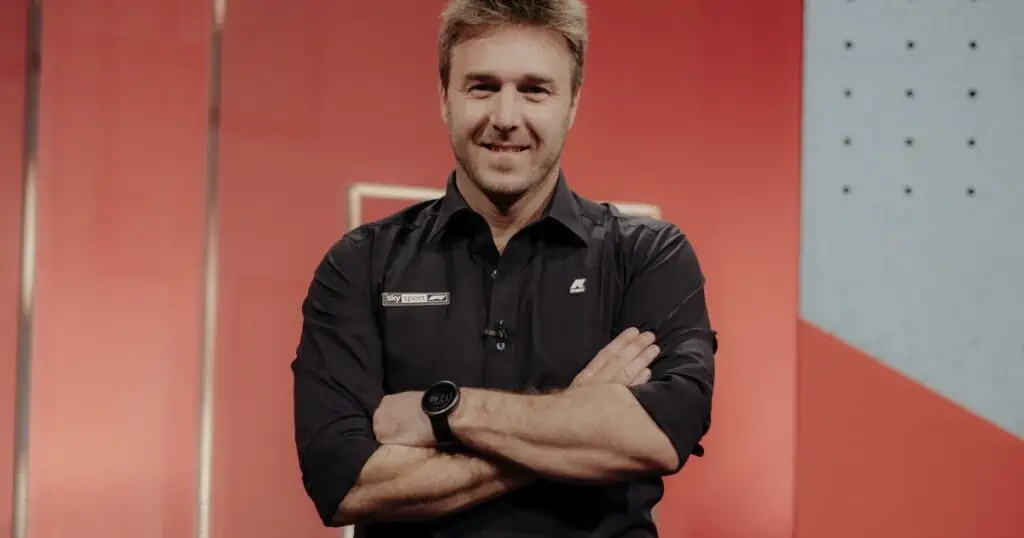
We left off with the first part of the interview with Davide Valsecchi during the Formula X weekend at Vallelunga Circuit on April 18–19. After talking about his 2012 GP2 victory, his authenticity, and his work as a pundit for Sky, we continue with the second part of our interview, featuring anecdotes and curiosities about his personality.
The story of working at the tracks
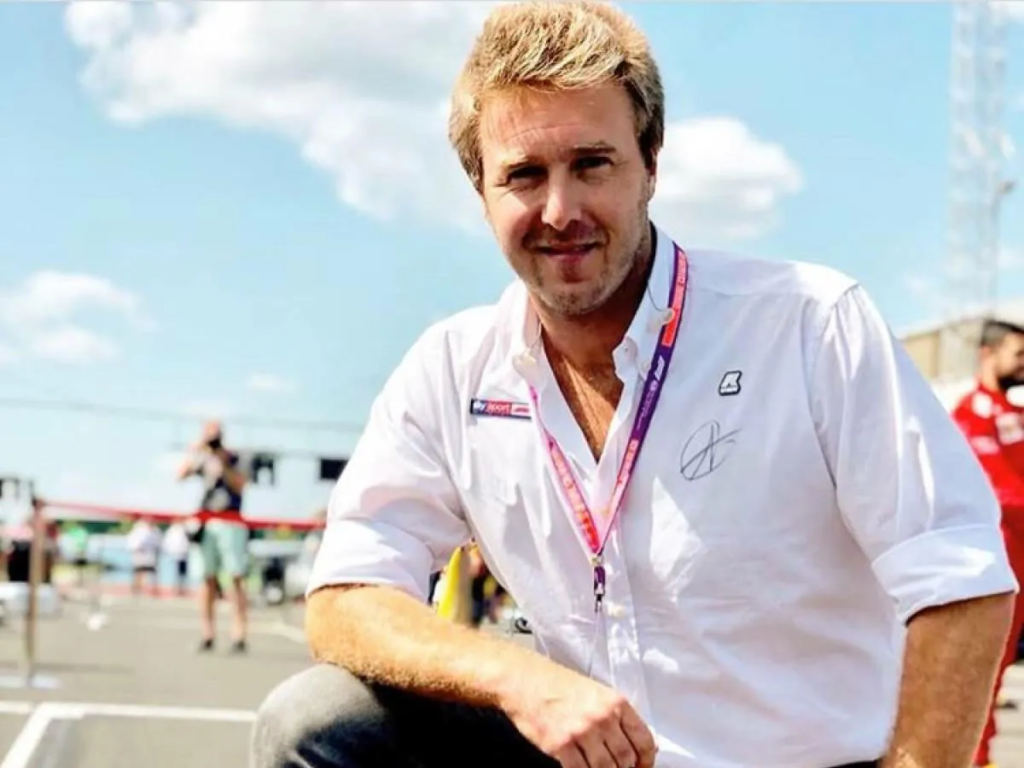
You may like him or not, just like all of us, but one thing is undeniable: Davide Valsecchi is authentic. He says what he thinks, without being afraid to express his opinion, in a world that often pushes us to present things in a certain way. Behind this spontaneity, however, there is also the work that supports his analysis before and after races. So we asked Valsecchi how much work goes on behind the scenes: preparation, data analysis, statistics.
“None, because when you say work, what do you mean? Look, I’ve got a big lawn at home. Cutting the grass with the riding mower and first picking up the branches that have fallen from the trees: that’s fucking hard work to me. But when we’re talking about racing, I enjoy that. Watching races, analyzing data, looking at results, filling my head with that stuff. Sure, it’s work, but if it’s what I love doing, then what kind of fucking job is it?
So if you ask me how much work there is, I’d tell you I’ve never worked a single hour in my life when I’m around racing. Work is something else — it’s the stuff I don’t enjoy doing but still have to do. That’s what feels like work to me. But honestly, if you love it, who gives a damn?
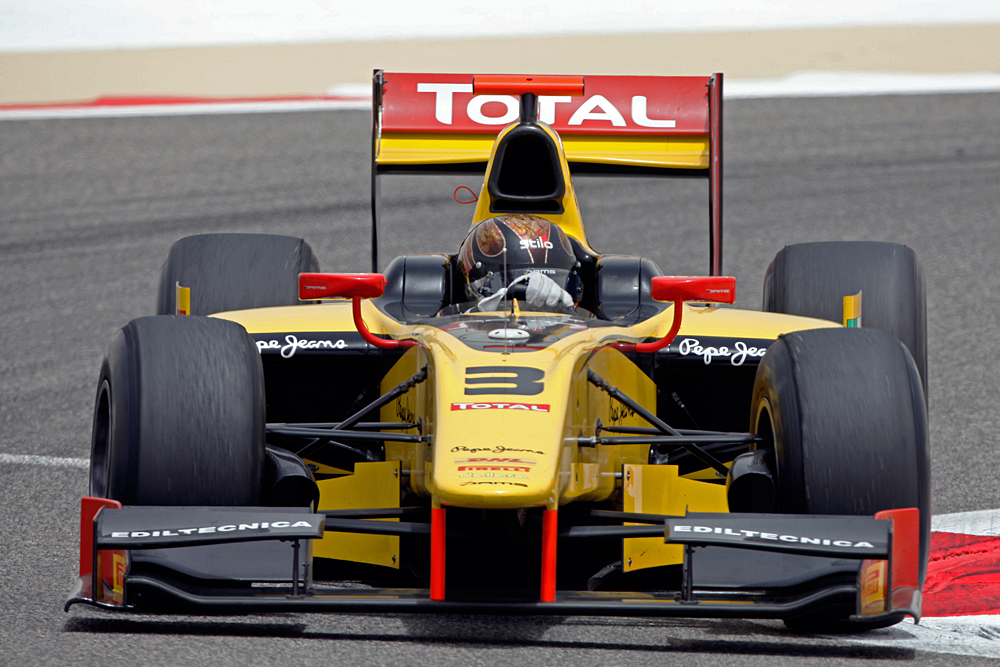
When I was racing and training, I didn’t do it because I liked training. I did it because I knew I’d be fast on track if I made the mental sacrifice to do it, so I forced myself to make that sacrifice. I remember in Bahrain: we had two race weekends, and I had my girlfriend at the time come over between one race and the other. I did the first race and won it. I had Giedo van der Garde there, who raced two years in Formula 1, a true gentleman: great driver, polite, an absolutely lovely guy.
The determination to be the best
We went down with my girlfriend to go and train. The agreement was: we start running, I go do my workout, you walk, and then at the end we do some sprints together.
In the elevator we ran into Giedo van der Garde with a water bottle and a wet towel around his neck. He was going to the gym. I remember my girlfriend saying: ‘Davide, why don’t we go to the gym too?’ I told her: ‘You go to the gym with van der Garde, I’ll eat him on Sunday.‘ You get it? I went out, ran for an hour, skin and bones, I suffered like crazy — it must have been 39 degrees — she was almost fainting during the final sprints we did together. But for me it wasn’t work: it was a sacrifice to perform well on Sunday.
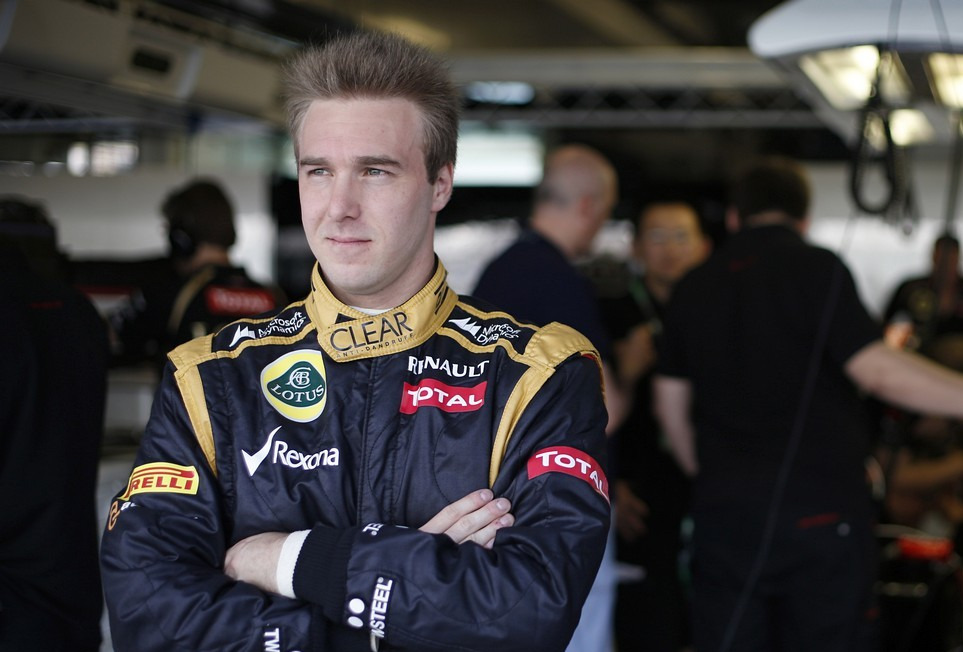
Work always depends on people’s mindset. When I was a test driver for Lotus, that was work for me: I hated it. I wanted to race, but I couldn’t. They made me do tests and I felt it was an enormous sacrifice that led me nowhere, and I experienced it very badly”.
The difficulties of getting back into rhythm
“Staying on the theme of race storytelling, I recently had the chance to speak with Alberto Rimedio, who explained how, after several months away from commentary work, you can initially feel a bit of ‘rust’ when trying to find your rhythm again in the storytelling flow. That raises a curiosity. In your case, have you ever felt in difficulty after a few weeks without events, when having to immediately step back into your role as a presenter?”
“In Italian, no, but in English yes, a bit. That’s because I lose the habit of speaking, afterwards it becomes slightly harder to get back into it, I’m being honest. I also agree with that idea. Now that you mention it, in English I do struggle a bit to immediately find the rhythm again. In Italian, no — it’s so enjoyable and fun. To try to keep my rhythm, I watch races in English so I get used to the way of speaking. It’s not the same as actually doing it, of course, but the more you do it, the easier it becomes and the more fluent you are”.
The most beautiful Italian’s for Valsecchi
In motorsport, many fans and insiders, when asked about their favourite Italian circuit, often answer Vallelunga Circuit. Davide Valsecchi agrees and explains why.
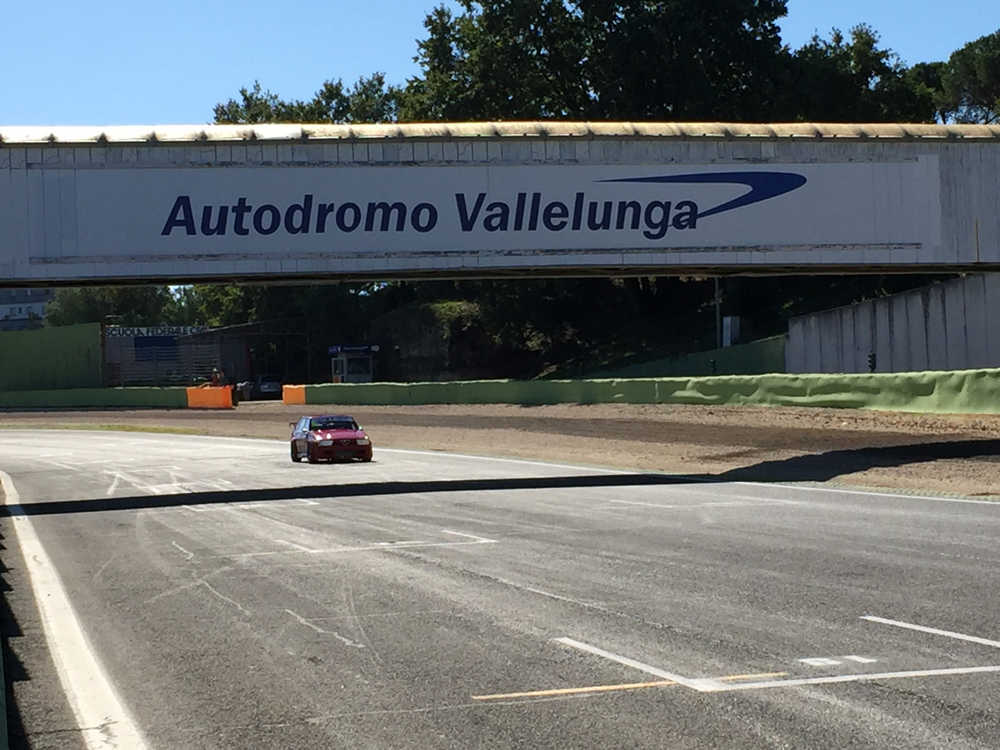
“It’s my favourite track in Italy, although it competes closely with Mugello Circuit. Then I’m in love with Monza Circuit because I live there and there’s this damn myth around it — let’s be clear. The “Temple of Speed,” okay, but if you talk to me about design and difficulty, wow, Vallelunga Circuit. I’d remove the asphalt runoff outside the Cimini and then it would be the perfect track for me. Outside the Cimini there are those first metres of asphalt and it made it a bit easier. But what makes Vallelunga difficult is that you have the white line, then the kerb, and then grass.
It’s a legendary track: if you make a mistake, you hit the wall straight away. Beautiful. The fast corner you take in GT cars is something incredible. If you go wide, you destroy the car, you can get hurt. It’s one of those tracks that has stayed old-school, and trust me, even the new ones are going back to being old-school. They were adding asphalt everywhere, then they started removing it again. It means they’re rethinking things in many places.
That old-school vibe is what people like. Vintage will probably continue to be loved, even more and more. And if we keep racing real and pure as we’ve always done, I think in ten years we’ll all have big smiles on our faces.
We’re heading in a direction that Davide Valsecchi doesn’t like
A few years ago there was a trend, during the final years of Bernie Ecclestone’s era, aimed at keeping all cars on track, without retirements. The idea was to ensure every car, and every sponsor, could keep its logo visible for as long as possible. He believed it would work better economically.
What happened? They started paving everything with asphalt runoff areas everywhere. At Circuit de Spa-Francorchamps, for example, at Pouhon there used to be gravel — it was the most difficult corner in the world, with maximum risk. If you went wide, you’d spin at 200 km/h into the gravel. Now, if it’s wet and you run wide, you don’t even lose half a second.
I’m saying they made the circuits easier across the board. They even asphalted all the outside of the Parabolica at one point. Now they’ve reduced it again, they’ve taken away some of that difficulty. I just hope the opposite doesn’t happen here — that they start paving it over — because what makes Vallelunga Circuit beautiful is exactly what makes it difficult. So don’t touch it”.
Congrats to the incredible organization of Formula X
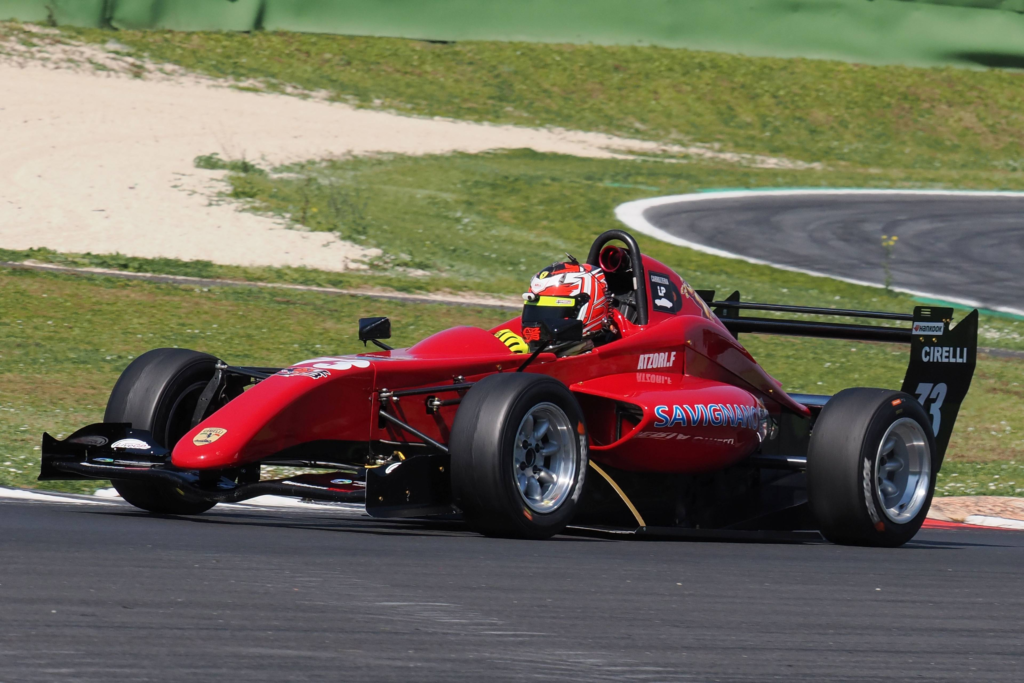
It’s impossible not to end with an important reflection. In recent years, many motorsport fans have become much more engaged with Formula X Weekend and ACI Sport events, showing growing interest in understanding the true spirit of racing, also thanks to figures with a strong public following or rising talents like Kimi Antonelli, who has developed there.
“What do you think these weekends can offer the public, and why should people come to them?”
“These Formula X Weekend events, as well as those run by ACI Sport, have been smart because they had the great idea of keeping entry free. Here, they even offer access to the starting grid for the main race on Sunday, which is something extremely difficult to organise — so honestly, hats off to them.
They give permission for me and you, for fans who maybe don’t have much money, like many young people who aren’t working yet, to come and watch a race. And what does it cost them? Just some fuel and a couple of soft drinks to get through the day. Basically watching a race for free and nurturing your passion. That’s the most beautiful thing in the world. In a world where everything costs a lot of money, literally anything you want to do. I think the idea is brilliant, and they deserve credit for it, because here between today and tomorrow more than 10,000 people will come. Thanks to this idea, and to those who invested in making it happen.
So well done. Well done to the circuit, well done to the organisers. In my opinion, it’s the right format.
The current difficulties with prices in motorsport
I’ve noticed that here we’re not really talking about pure professionalism, but then you’re charging €12 to watch a village football match? What the hell is that? Credit to them for choosing a different, almost revolutionary strategy, because in the end there’s a huge turnout. They were smart to come up with strong ideas. In Formula 1 at Monza, do you know how much tickets cost? I think tickets for three days are around €500, you know what I mean?
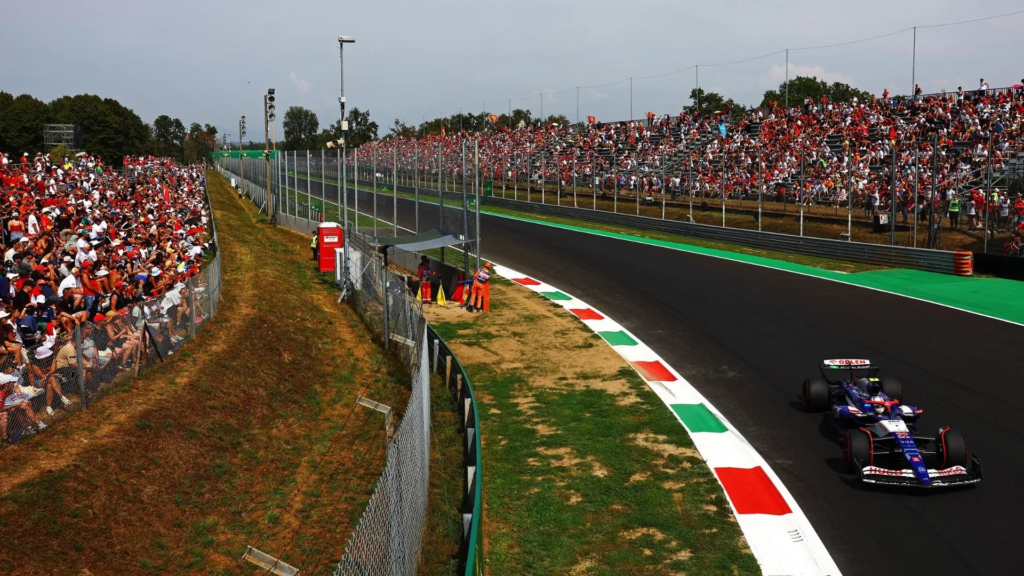
So I’m saying: if you’re a fan and you go to F1 with your family, even if you live close by. You end up spending €1500 to follow a full weekend. If you say the weekend is too much and just go on Sunday, Sunday alone costs €400 for a grandstand ticket. If you skip Sunday and settle for practice sessions, you still spend €100 — and imagine doing that as a group of three.
Unfortunately, the grass areas aren’t great either, because they put up so many advertising boards that on the main straight you always have those ads blocking the view. But that’s how it is. It’s an elite sport where there’s always huge demand, so they set the prices they want. I don’t complain about it, but I do promote the great idea of Formula X Weekend, which is trying to shake things up — and the results speak for themselves, because there are a lot of people attending the races.
Even looking at Kimi Antonelli’s career, who grew up through these weekends and is now in Formula 1, you realise there’s a chance to see a future F1 driver in the making. A lot of kids say they saw him in karting or at the track, and now he might go on to win a world championship”.
We would like to thank Davide Valsecchi for his availability and wish him all the best for the future.
Read also: “Exclusive interview (part 1) | Davide Valsecchi: authenticity and passion in motorsport”