
How many times have we felt emotional watching a race, an overtake on the final lap, a result, a wheel-to-wheel battle or an seemingly impossible story unfold? Motorsport is all of this: joy, tension, anger and thrills. Trying to put into words the love we feel when we watch our heroes race would almost be pointless. But racing does not live only in the moments when drivers lower their visors or cross the chequered flag. Some of our most unforgettable memories are also created through the voices and words of those who have a gift for bringing these moments to life.
Who could ever forget Giancarlo Mazzoni’s iconic commentary in 2000, when Michael Schumacher won at Suzuka, bringing the Drivers’ World Championship back to Maranello? Or Carlo Vanzini’s voice in 2019, when Charles Leclerc claimed victory at Monza, on home soil? Probably none of us.
The challenge of journalism
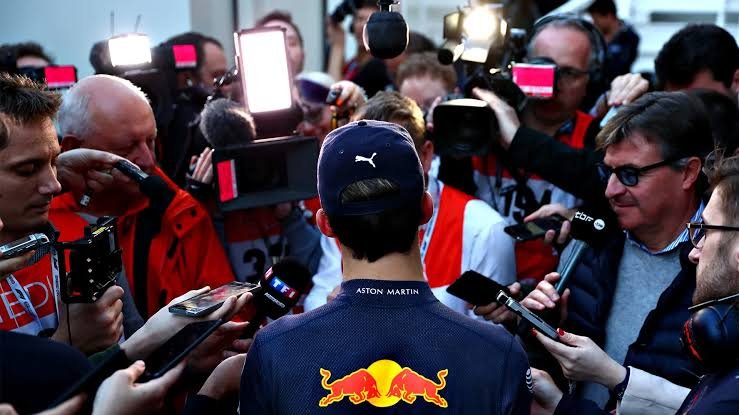
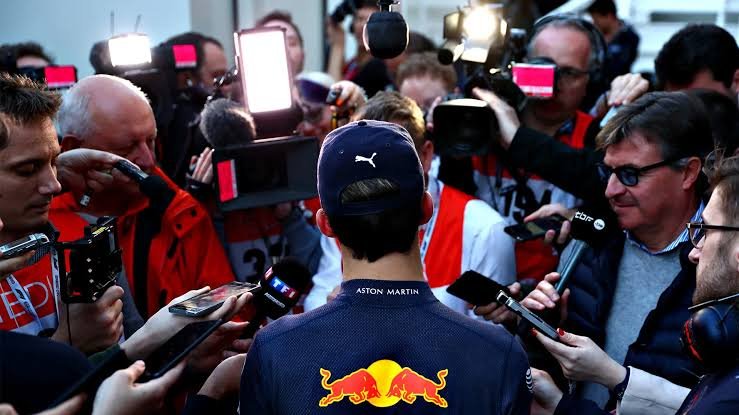
Today, motorsport journalism faces an unprecedented challenge. Telling the story of a sport characterised by extreme technical complexity to an audience that consumes content at an increasingly fast and immediate pace. Unlike other disciplines, where athletic performance is often immediately visible and easy to understand, in motorsport, performance is the result of the interaction between human and technological factors, which are not always easy to perceive from the outside. A car’s speed, tyre degradation, aerodynamic efficiency, energy management and the strategies adopted by teams all contribute to determining the outcome, yet these elements often go unnoticed by those watching from home.
In this context, journalists play a fundamental role in bridging the gap between the technical side of competition and its media representation. Their job is not simply to report results or describe the key moments of a race. They also have to provide audiences with the tools they need to understand the dynamics that determine performance on track. To achieve this, the very way in which racing is covered has changed radically.
For decades, a significant part of motorsport coverage was aimed primarily at industry insiders. Highly technical analysis, telemetry data and engineering jargon placed greater emphasis on mechanical detail than on accessibility. It was a model perfectly suited to long-time fans who already had an in-depth knowledge of the subject, but one that remained distant from the wider public.
The evolution of motorsport storytelling
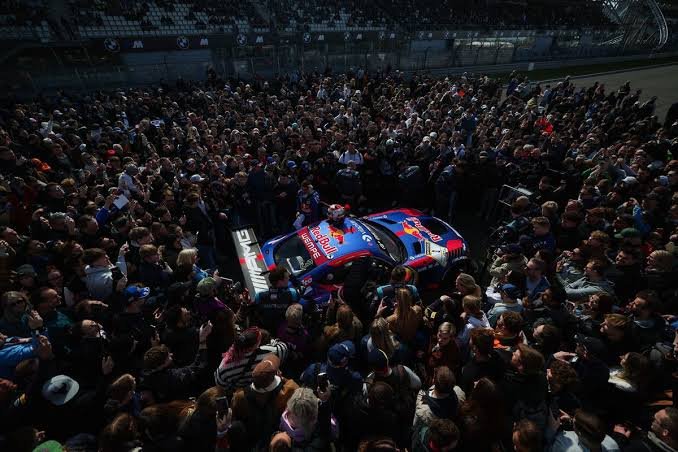
In recent years, the growing media interest in motorsport, particularly Formula 1, has gradually transformed this landscape. The expansion of television broadcasting rights, the arrival of new players in the commercial management of competitions, the rise of digital platforms and the success of sports docuseries have all contributed to broadening the audience. As a result, the coverage of racing has developed a much stronger human dimension. Drivers are no longer just helmets inside cockpits. They are fully-fledged protagonists, with their own vulnerabilities, ambitions, tensions and popularity extending far beyond the boundaries of the racetrack.
Drivers have taken on a narrative dimension that goes beyond their on-track results, becoming recognisable personalities even outside the competitive environment.
The human side of motorsport
This evolution has also influenced the day-to-day work of specialist media outlets, encouraging a closer integration between information and entertainment. One of the clearest signs of this process is the growing attention paid to the personal side of performance. A driver’s results and struggles are now also explored through their personal and psychological circumstances, highlighting potential difficulties adapting to the car, managing tyre degradation or delivering performances below expectations. These aspects are therefore also interpreted through factors such as confidence, pressure and the relationship with their teammate.
The growing spectacularisation of motorsport coverage
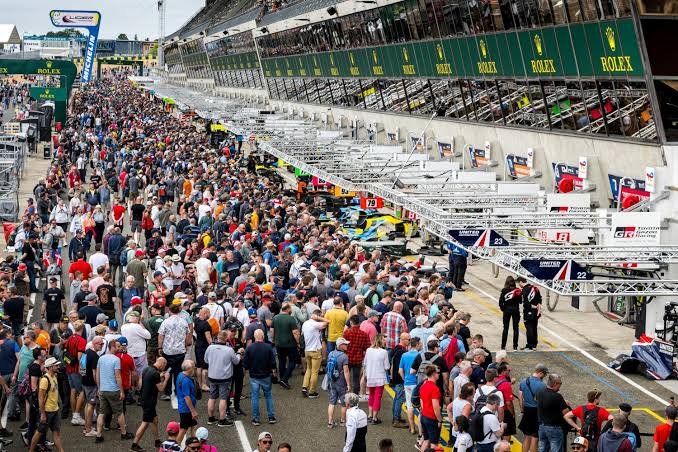
Rivalries have also become increasingly central to the spectacle. Relationships between teammates, tensions with team principals and radio communications between drivers and the pit wall have become key elements of media coverage. Team radio messages offer a glimpse into the reactions of those involved during a race. But they can also be taken out of context to fuel controversy and rivalries.
That’s why the importance of off-track developments should not be underestimated either. The driver market, changes within teams, statements from team executives and political dynamics between constructors are taking up an increasingly large share of motorsport coverage. The story of the competition therefore extends beyond the race weekend, turning the paddock into a narrative environment that is followed throughout the entire season.
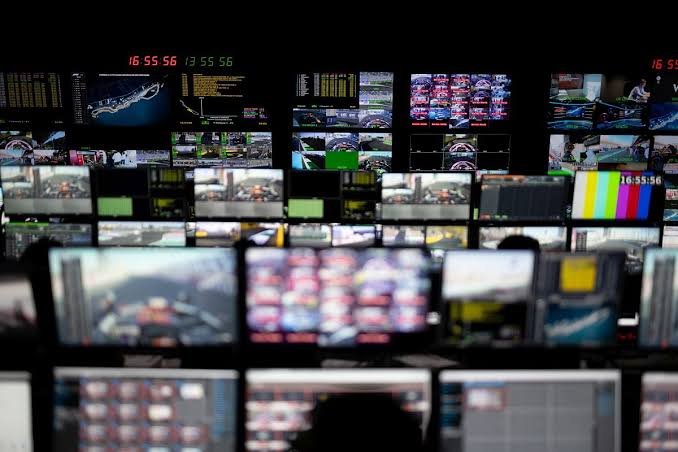
These dynamics are further reinforced by the increasingly important role of social media and video platforms, which have transformed the way content is produced and distributed. Short videos, interviews, team radio clips, behind-the-scenes footage and comparative graphics make it possible to reach different audiences, adapting motorsport coverage to more immediate and accessible ways of consuming content.
The risks of the growing spectacularisation
This transformation nevertheless presents some challenges. The main risk is that the pursuit of audience engagement may end up taking priority over the need to understand the competition itself. In motorsport, a significant part of the final result depends on variables that do not necessarily produce spectacular moments. Race pace management, tyre degradation, the timing of a pit stop or the effectiveness of an aerodynamic upgrade can have a profound impact on performance, while remaining difficult to spot for a less experienced viewer.
If media coverage focuses primarily on rivalries and controversies, these aspects risk taking a back seat. A race in which the outcome is determined by a particularly effective strategy or better tyre management may seem uninteresting if there is no explanation to help viewers understand what is happening. Entertainment, when not supported by accurate and thorough reporting, therefore risks weakening the audience’s understanding of the sport.

Information and entertainment: how to bring them together
However, the solution is not to abandon new forms of communication or return to a model of journalism based exclusively on technical and specialist content. The expansion of the audience represents an opportunity for the industry and calls for forms of communication capable of reaching people who may not have an in-depth knowledge of the sport. The real challenge is to use entertainment as a way of bringing viewers closer to the complexity of motorsport, without compromising the quality of the information provided.
From this perspective, technical insight and analysis become particularly important. Comparative graphics, data analysis, video breakdowns, comparisons between drivers’ laps and in-depth examinations of race strategies make it possible to turn complex information into more accessible content. Journalists can therefore explain why a car is more competitive in a particular section of the circuit, what consequences a setup change may have or how a specific strategic decision can influence the final result.
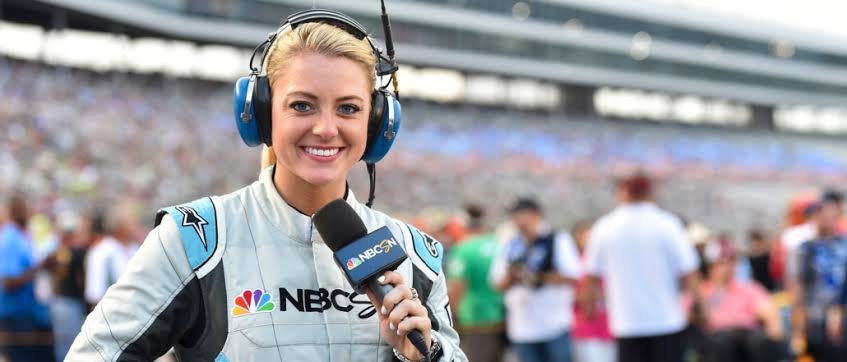
The future of sports and motorsport journalism therefore depends on its ability to strike a balance between the demands of information and entertainment. Covering modern motorsport means highlighting both its human and technological dimensions, using digital formats to engage audiences without losing sight of what truly determines performance.
There are many goals to pursue, but one above all must always remain central. The ability to create emotion, without ever forgetting those who once made us feel it.
Read also: Artificial intelligence in motorsport: the challenge between calculation and the human factor